••
Rising Global Tensions and Energy Costs Threaten West African Economic Stability
•3 min read•10 sources
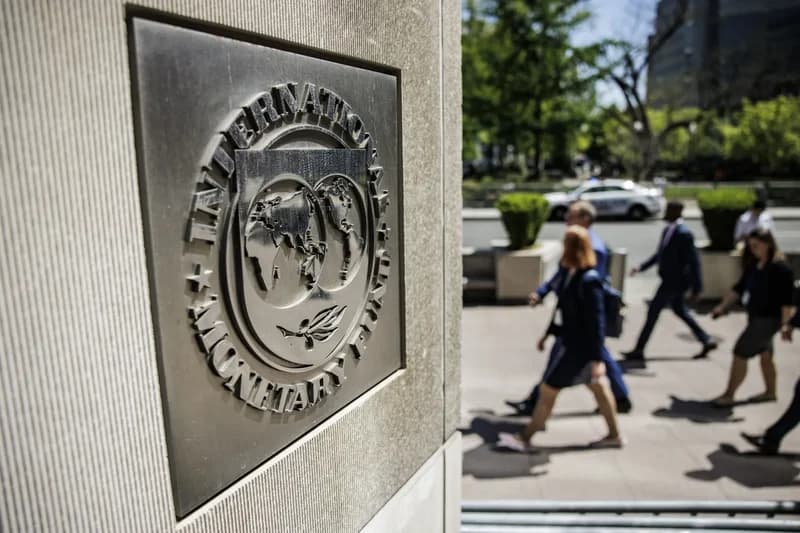
International financial institutions—including the World Bank, IMF, and International Energy Agency (IEA)—have issued stark warnings that the ongoing conflict in the Middle East could trigger a severe economic downturn in Ghana and neighboring West African nations. The conflict has disrupted oil shipments through the critical Strait of Hormuz, driving up the costs of oil, gas, and fertilizers. This volatility poses a direct threat to food security and employment, with low-income economies particularly vulnerable to inflationary pressures. As global commodity prices remain elevated, experts warn that the road to supply stability will be long, necessitating urgent policy interventions to protect vulnerable populations.
In Ghana, the impact of these global tensions is already evident in sharp fuel price hikes. The Center for Environmental Management and Sustainable Energy (CEMSE) reported that between February and April 2026, diesel prices surged by 63%, while petrol and LPG rose by 36% and 18%, respectively. To mitigate this, the Chamber of Petroleum Consumers (COPEC) has proposed a temporary 50% reduction in the 'dumsor levy'—reducing it from GH¢1 to 50 pesewas per litre—for a one-month period. Meanwhile, CEMSE has advocated for a more targeted tax regime, suggesting cuts of GHS0.50 for petrol and GHS1.00 for diesel. These domestic pressures are compounded by a heavy reliance on imports; in 2025, petroleum imports surged by 36.7% to 8.71 billion litres, costing $4.95 billion, as local refining capacity at the Tema Oil Refinery and Sentuo Oil remained significantly below national demand.
Nigeria is facing similar challenges, with the government seeking enhanced international support during the IMF-World Bank Spring Meetings to buffer against 'Iran shocks' that have complicated its economic reforms. With petrol prices jumping over 50% and diesel by 70%, the Nigerian government has moved to slash import duties on essential goods like rice, sugar, and vehicles to curb inflation. These measures aim to protect households while the country pushes for fairer global financial conditions and lower borrowing costs to navigate the crisis. Despite these efforts, external factors continue to add to the economic burden on the region's largest economy.
While there have been brief moments of relief—such as a slight dip in Brent crude prices to around $98 per barrel following hints of US-Iran peace talks—the overall economic outlook remains precarious. The International Monetary Fund and World Bank are expected to downgrade growth forecasts for emerging markets as the war's ripple effects persist. For Ghana and its neighbors, the crisis highlights a critical need to bolster domestic refining capacities and storage solutions to mitigate risks from global oil price fluctuations. Moving forward, a coordinated response between international partners and local policymakers will be essential to foster a resilient recovery and ensure long-term energy security.
This story touches markets covered on Anansi Intelligence ↗.
More from business
Continue exploring similar stories

