••
Ghana’s Economy Shows Robust Recovery with 6% GDP Growth and $3 Billion World Bank Commitment
•3 min read•30 sources
Ghana’s economy is demonstrating strong signs of recovery and resilience as of early 2026, characterized by a 6.0% GDP growth rate in 2025 and a significant $3 billion investment pledge from the World Bank. According to the Ghana Statistical Service (GSS), the nation's GDP per capita surged by 18.6% to reach GH¢42,502, while the total public debt stock decreased to GH¢641 billion. This fiscal consolidation has seen the debt-to-GDP ratio drop sharply from 61.8% to 45.3%, signaling a successful rebalancing of the macroeconomy despite ongoing global volatilities. The Bank of Ghana’s recent confidence surveys reflect this positive shift, with both consumer and business sentiments improving due to easing inflation and better operational conditions.
The economic expansion has been largely broad-based, with the non-oil sector expanding by 7.6%. Leading the charge were Information and Communication, which contributed 23.7% to GDP growth, followed by agriculture and gold production. Trade statistics further underscore this momentum; Ghana recorded a trade surplus of $3.2 billion in the first two months of 2026 alone, driven by $6.2 billion in export earnings. Gold remains the primary export pillar, generating $4.2 billion in early 2026. Meanwhile, producer price inflation (PPI) cooled to 1.4% in February 2026, offering relief to businesses even as the mining sector saw slight price increases and the manufacturing sector experienced a period of deflation.
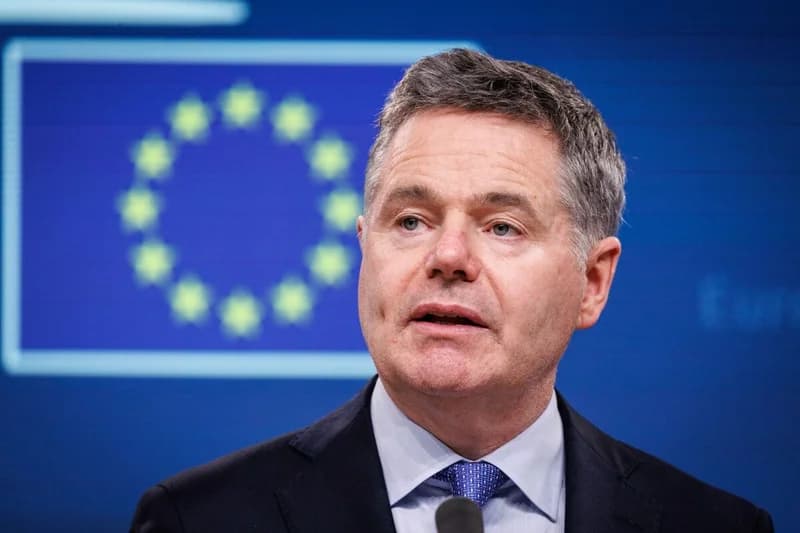
To sustain this trajectory, the World Bank Group has committed $3 billion across key sectors, including agriculture, energy, and education. World Bank Managing Director Paschal Donohoe emphasized the need for private sector-led renewable energy projects to ensure long-term sustainability and job creation. Parallel to international support, the government is aggressively pushing its "24-Hour Economy" agenda. Officials from the 24-Hour Economy Authority and the National Health Insurance Authority (NHIA) are advocating for reforms to empower young entrepreneurs and modernize healthcare infrastructure, aiming to create a more inclusive and productive economic environment that operates beyond traditional hours.
Despite the optimistic outlook, experts warn of potential headwinds that could disrupt Ghana's progress. Professor Fred Dzanku of the University of Ghana highlighted risks posed by escalating Middle East tensions, which could spike global oil prices and trigger capital flight, impacting the cedi's value. However, President John Mahama expressed confidence during his 'Resetting Ghana Tour' that recent stabilization measures and tighter monetary policies have fortified the economy to better absorb such external shocks. As Ghana moves forward, the focus remains on maintaining fiscal discipline, managing the shift toward domestic borrowing, and leveraging digital and agricultural advancements to ensure the recovery translates into sustainable growth for all citizens.
This story touches markets covered on Anansi Intelligence ↗.
Related topic
John Mahama: Latest News & Updates →Live rates
Ghana gold price →More from business
Continue exploring similar stories

