••
Ghana’s Economic Reset: Experts Warn Against Mistaking Stabilization for Long-Term Resilience
•2 min read•8 sources
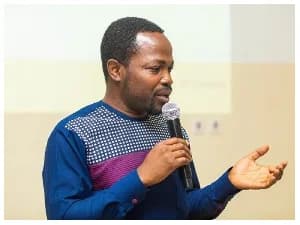
Ghana’s economy is currently navigating a critical "reset" phase, showing emerging signs of macroeconomic stability through improved foreign exchange reserves and a steadying cedi. However, prominent economists and industry leaders are cautioning the government and the public against premature celebrations. Experts, including development economist Prof. Fred Dzanku and OneGhana Movement convener Senyo Hosi, emphasize that while the economy is stabilizing, it significantly lacks the structural resilience required to withstand future external shocks. They argue that true resilience involves a long-term durability that Ghana has yet to achieve, warning that the current progress is a fragile foundation that requires deeper reform.
The vulnerability of the national economy is underscored by several structural weaknesses, notably a heavy reliance on a narrow range of exports and a limited fiscal cushion. Senyo Hosi pointed out that gold alone accounts for approximately 68% of Ghana’s exports, creating a dangerous dependency where a sudden drop in global prices could trigger a severe economic downturn. Complementing this view, Prof. Dzanku highlighted Ghana’s low tax-to-GDP ratio of just 15% and a constrained fiscal space as major hurdles. He noted that the rapid transmission of external shocks—such as fluctuating global oil prices—directly into domestic inflation serves as clear evidence that the economy remains exposed and lacks the "buffer" capacity indicative of a resilient system.
Amidst this stabilization effort, Deloitte Africa Infrastructure Partner Yaw Appiah Lartey describes the current period as a comprehensive "economic reset" that is forcing a recalibration of both public and private institutions. Speaking at the Deloitte UKGCC Investors Series, Lartey argued that this shift is compelling enterprises, particularly Small and Medium-sized Enterprises (SMEs), to move beyond "generic optimism" toward rigorous discipline and better governance. He stressed that for the reset to be successful, businesses must focus on financial structuring and investment readiness to navigate the changing macroeconomic realities, characterized by volatile inflation and currency fluctuations.
Ultimately, the consensus among these voices suggests that the path to a truly resilient Ghana requires a transition from government-led stabilization to a private-sector-led growth model supported by robust institutional frameworks. Building long-term durability will necessitate diversifying the export base, expanding the tax net, and fostering a culture of fiscal discipline across all sectors. As the country continues its recovery, the focus must shift from merely absorbing immediate shocks to implementing the structural reforms that will protect the economy from the volatility of the global market in the years to come.
This story touches markets covered on Anansi Intelligence ↗.
Live rates
Ghana gold price →More from business
Continue exploring similar stories

