••
Ghana’s Economic Turnaround: $4.2bn Trade Surplus and Falling Inflation Signal Robust Recovery
•3 min read•17 sources
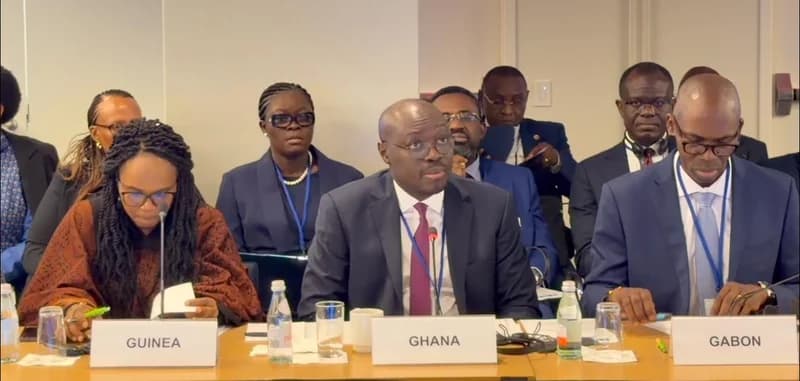
Ghana is experiencing a significant economic resurgence, headlined by a record trade surplus of $4.2 billion (GH‥47.2 billion) in the fourth quarter of 2025. This surge, driven largely by a massive increase in gold exports which constituted over 70% of total export value, underscores a broader stabilization of the national economy. Speaking at the IMF-World Bank Spring Meetings, Finance Minister Dr. Cassiel Ato Forson highlighted that the country has successfully transitioned from a period of emergency stabilization to a focused agenda for growth. Supporting this turnaround, real GDP growth reached 6% in 2025, while inflation plummeted from 23.8% to 3.2% by March 2026, providing much-needed relief to the domestic market.
The recovery is further bolstered by disciplined fiscal management and strategic institutional reforms. Dr. Forson noted that Ghana’s primary balance shifted from a 2.9% deficit to a 2.6% surplus, while the debt-to-GDP ratio was reduced from 61.8% to 45.3%, outperforming initial targets. The local currency, the cedi, has also demonstrated remarkable resilience, appreciating by over 40% against the US dollar. These improvements have significantly strengthened international reserves, which now provide 5.8 months of import cover. This performance earned high praise from World Bank officials, who commended the government's leadership in navigating the severe economic shocks of previous years and expressed readiness to enhance development cooperation.
Investment activity reflects this growing confidence, with the Ghana Stock Exchange reaching a milestone market capitalization of GH‥252 billion in April 2026. The GSE Composite Index has surged by over 51% year-to-date as investors return to the banking, insurance, and telecommunications sectors. Simultaneously, the secondary bond market saw a 41.76% increase in turnover, buoyed by positive ratings outlooks. However, the Ghana Statistical Service noted that export earnings remain heavily concentrated, with the UAE, India, and Switzerland absorbing over two-thirds of exports. This reliance on gold and a few international markets has prompted calls for greater economic diversification and a focus on intra-African trade.
Looking ahead, the government is prioritizing investments in commercial agriculture, energy development, education, and infrastructure to consolidate these gains. While the outlook is positive, challenges remain, particularly regarding inefficiencies in energy distribution and the economy's vulnerability to commodity price volatility. Finance Minister Forson has indicated plans to involve the private sector in operational efficiency improvements within the energy sector. As Ghana moves into the next phase of its recovery, the focus remains on maintaining fiscal discipline to ensure long-term debt sustainability and inclusive growth for all citizens.
This story touches markets covered on Anansi Intelligence ↗.
Live rates
Ghana gold price →More from business
Continue exploring similar stories

