••
Ghana’s Economic Outlook: Balancing Labor Market Challenges with Private Sector Empowerment and Women’s Leadership
•3 min read•7 sources
As Ghana approaches its 69th independence anniversary, the nation’s economic landscape is characterized by a complex interplay of persistent labor market challenges and proactive private-sector interventions. While the unemployment rate hovered around 13% in 2025, revealing significant hurdles in integrating the youth into the formal workforce, various organizations are stepping up to bridge the gap through entrepreneurship grants, female empowerment initiatives, and consumer reward programs. This push for economic resilience comes amidst rising inflation and a mismatch between educational output and industry demands, which has historically driven skilled professionals to seek opportunities abroad, contributing to a brain drain in the health and technology sectors.
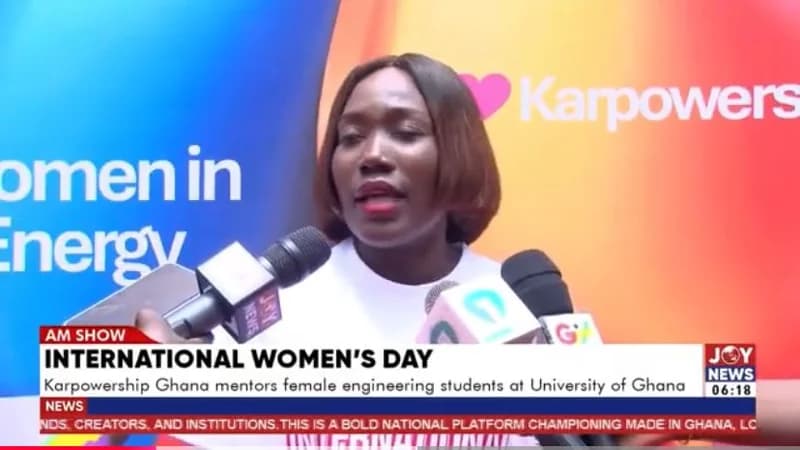
International Women’s Day served as a major catalyst for corporate social responsibility, highlighting the growing influence of women in traditionally male-dominated sectors. Newmont’s Ahafo North mine has become a benchmark for inclusive leadership, exemplified by Abena Acheampomaa Ankomah, who was recognized as the Best Female Miner in 2025 for her work in community social performance. Similarly, Karpowership Ghana is actively narrowing the gender gap in STEM through mentorship and scholarship programs for female engineering students at the University of Ghana. In the manufacturing sector, Softcare FM Manufacturing has been commended for its strategic partnership in the government’s Free Sanitary Pad Programme, which has reached over two million schoolgirls, addressing period poverty while maintaining high industrial standards.
To address the needs of a population where 60% are of working age, the Adwumawura Programme has launched a nationwide pitching exercise to award grants to at least 2,000 youth-owned businesses. This initiative, aligned with the RESET agenda, aims to foster job creation across all 16 regions. On the consumer side, PZ Cussons recently concluded its Camel Treasure Hunt II promotion, awarding a grand prize of GHC100,000 to Mary Achiaa Asumedu in Accra. The campaign was specifically designed to provide relief and excitement for loyal consumers facing current economic pressures, demonstrating how brands are attempting to bolster household financial stability during periods of low purchasing power.
Despite these individual successes, structural issues continue to plague key sectors like agriculture. In Shai Osudoku, local rice farmers are grappling with a severe food glut, as 4,000 hectares of high-quality irrigated rice sit in silos without a ready market. Local rice, priced at GHS 600 per bag, faces stiff competition from cheaper imports priced at GHS 400, prompting urgent calls from District Chief Executive Ignatius Godfred Dordoe for government intervention through the National Food Buffer Stock Company. These localized crises reflect the wider paradox of Ghana’s developmental journey: a nation with high production potential and a skilled workforce that still struggles with high operational costs and the dominance of a low-security informal sector.
This story touches markets covered on Anansi Intelligence ↗.
More from business
Continue exploring similar stories

