••
Ghana Strengthens Continental Ties Through Border Reaffirmation and High-Level African Diplomatic Consultations
•2 min read•2 sources
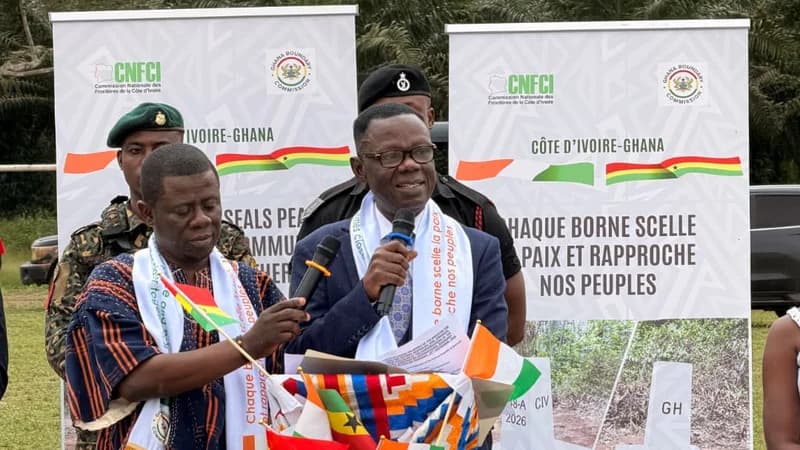
Ghana has taken significant strides in regional integration and continental diplomacy, marking the successful completion of a major border reaffirmation project with Côte d’Ivoire while simultaneously serving as a hub for pan-African diplomatic strategy. These developments, highlighted by the commissioning of 37 new international boundary pillars and a high-level consultative meeting of 25 African Heads of Mission, underscore a renewed commitment to the African Union's vision of a stable, integrated, and collaborative continent. The events reflect a dual approach to African unity—addressing physical sovereignty and diplomatic synergy.
On the western frontier, Ghana and Côte d’Ivoire inaugurated 37 new boundary pillars, signaling the conclusion of Phase 1 of the Joint Land Boundary Reaffirmation Exercise. Spanning 150 kilometers, the project involved the installation of various markers, including Terminus, Main, Intermediate, and Border Crossing Pillars. Major General Anthony Ntem emphasized during the ceremony that clearly defined boundaries are not mere barriers but essential foundations for African cooperation and integration. Funded by the German development agency GIZ and the African Union Border Programme, the initiative is set to expand later this year with a second phase targeting an additional 400 kilometers of the shared border.
Parallel to these physical border efforts, Kenya’s High Commissioner to Ghana, Shem Amadi, hosted a significant diplomatic gathering in Accra. Heads of Mission from 25 African nations convened to discuss shared bilateral and multilateral interests, ranging from regional security to economic connectivity. A key focus of the consultations was the promotion of Kenyan judicial excellence on the global stage, with the mission seeking support for Justice Phoebe Okowa’s candidacy for the International Court of Justice (ICJ) and Justice Njoki Susanna Ndungu’s bid for the International Criminal Court (ICC).
Beyond judicial appointments, the diplomatic mission emphasized the strategic importance of enhancing Kenya Airways’ connectivity throughout West Africa, viewing transport links as vital to the African Continental Free Trade Area (AfCFTA) framework. Together, these events reflect a broader trend of proactive engagement within West Africa and the wider continent. As Ghana continues to host these high-stakes discussions and secure its territorial definitions, the actions of these nations reinforce the spirit of African solidarity and the practical implementation of the African Union’s developmental and peace-building agendas.

