••
African Sovereignty and Global Influence: Continental Bodies and Scholars Push for UNSC Reform and Reparatory Justice
•3 min read•7 sources
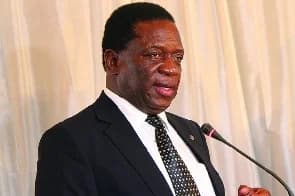
African nations are increasingly asserting their sovereignty and demanding a more equitable share of global influence, according to a series of recent reports and high-level diplomatic actions. A new study by IBN Yussif Duranah Abdul-Mumin Seidu has proposed a bold three-pronged strategy to amplify Africa’s voice on the United Nations Security Council (UNSC), where the continent currently lacks permanent representation. The strategy advocates for a temporary diplomatic boycott of the United Nations General Assembly (UNGA), a counter-summit in Addis Ababa to unify African leaders, and a conditional re-engagement with the UN. This proposal comes amid rising concerns regarding the high financial costs of UNGA participation compared to the limited diplomatic benefits the continent receives under the current structural framework.
Parallel to these calls for UN reform, the AfriKan Continental Union Consult (ACUC) has emphasized the need for enhanced protection of African leadership and economic interests. Mr. Benjamin Anyagre Aziginaateeg of the ACUC highlighted Ghana’s pivotal role in fostering economic cooperation between the African Union (AU), Latin America (CELAC), and the Caribbean (CARICOM). A cornerstone of this cooperation is the pursuit of reparatory justice, bolstered by the UN’s adoption of Resolution A/RES/80/250 and progress made during the Accra Next Steps Conference. The ACUC is urging African nations to prioritize economic self-reliance and collective prosperity over partisan internal politics to withstand external pressures that threaten continental progress.
While some regions focus on integration, others are navigating tense bilateral relations to protect national sovereignty. The South African government recently summoned United States Ambassador Brent Bozell for a record third time in nine months, citing "undiplomatic conduct." The friction stems from critical media interviews given by the ambassador regarding South Africa's internal policies, including land ownership and racial inequalities. This diplomatic spat underscores a broader continental sensitivity toward external interference in domestic affairs, even as both nations claim a commitment to resolving their differences through official channels.
Collectively, these developments signal a continent in transition, seeking to redefine its role on the world stage. From Zimbabwe, where President Emmerson Mnangagwa recently highlighted domestic economic gains and currency stability in his State of the Nation Address, to the broader pan-African movement for historical justice, the narrative is shifting toward autonomy. The success of these initiatives will depend on Africa's ability to maintain a unified front in international forums and educate its youth on the importance of economic sovereignty and the historical context of its current struggles.


