••
President Mahama and African Leaders Advocate for Systemic Reform and Sovereignty Across Media, Trade, and Diplomacy
•3 min read•6 sources
Across the continent, African leaders and advocacy groups are intensifying efforts to redefine the region's global standing through systemic reforms and new cooperative frameworks. At the 13th High-Level Dialogue on Democracy, Governance, and Human Rights in Accra, President John Mahama joined activist Kwesi Pratt Jnr in calling for a transformative approach to reparations, arguing that financial compensation alone cannot address the legacies of colonial exploitation. This push for sovereignty is mirrored in Egypt, where the inaugural Alamein Africa Forum recently gathered over 20 heads of state to enhance intra-continental trade and infrastructure. While Egypt navigates regional tensions regarding the Grand Ethiopian Renaissance Dam, the forum signals a broader trend of African nations seeking to minimize reliance on external powers like China and the West by fostering internal collaboration in healthcare and renewable energy.
Economic and social empowerment for women has emerged as a cornerstone of this transition. Speaking at the Pan-African Women’s Day in South Africa, Dr. Zanetor Agyeman-Rawlings, MP for Klottey-Korle, demanded urgent structural reforms to agribusiness. She identified land ownership as a critical barrier to development and proposed innovative solutions, such as the deployment of female customs officers to facilitate cross-border trade. Supporting this vision of gender-inclusive growth, the Heritage and Cultural Society of Africa (HACSA) Foundation recently celebrated its 10th anniversary by graduating 80 young women from its Tech4Girls initiative. Vice President Jane Naana Opoku-Agyemang, attending as the Special Guest of Honour, emphasized that bridging the digital gender divide is essential for achieving sustainable development and professional integration for the youth.
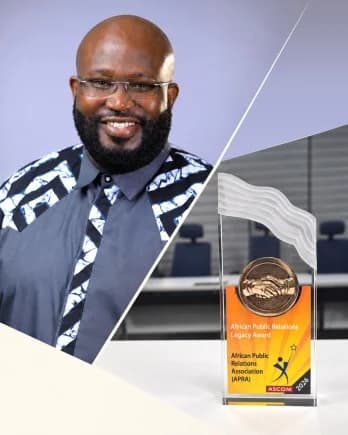
The continent is also asserting its independence through the establishment of homegrown narratives and professional excellence. The Alliance of Sahel States—comprising Mali, Burkina Faso, and Niger—has launched Tafouk TV, a Bamako-based news channel designed to provide a local perspective independent of Western media influences. Supported by Russia, the network aims to combat disinformation and promote regional languages like Bambara and Hausa. Complementing this media shift, the African Public Relations Association (APRA) was recently honored in Abidjan with the Africa PR Legacy Award. Recognizing 50 years of fostering ethical communication and unity, APRA’s achievement underscores the growing maturity and standardization of professional dialogue across African nations.
As these various initiatives converge, the focus is shifting from symbolic gestures to actionable legal and economic commitments. The upcoming HACSA Sankofa Summit, scheduled for December 2026, is expected to bring together the global African diaspora to further these goals of heritage promotion and sustainable development. Whether through the pursuit of reparations, the reform of agribusiness, or the creation of independent media networks, the collective momentum across Ghana, Egypt, and the Sahel suggests a concerted effort to build a more self-reliant and unified Africa. These developments reflect a shared recognition that true sovereignty requires both the reclamation of historical narratives and the modernizing of infrastructure to support the next generation of African leaders.
Related topic
John Mahama: Latest News & Updates →

