••
Ghana Strategizes Agricultural Growth with GH¢4.2 Billion Cocoa Payouts and Volta Basin Agro-Industrial Expansion
•2 min read•6 sources
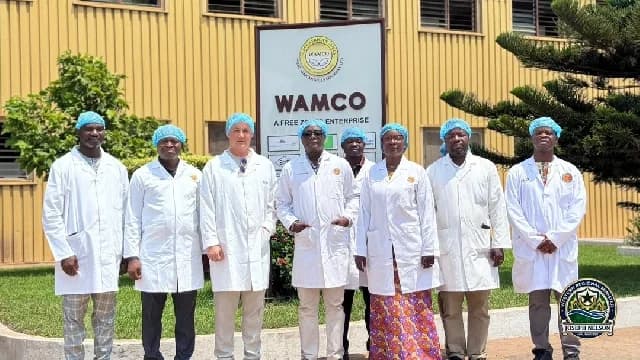
The Ghana Cocoa Board (COCOBOD) has initiated a massive financial intervention to stabilize the nation’s cocoa sector, disbursing GH¢4.2 billion to Licensed Buying Companies (LBCs). This significant capital injection is aimed at clearing arrears for farmers that have been outstanding since November 2025. The move follows strategic reforms introduced by Finance Minister Cassiel Ato Forson earlier this year to restructure the industry and restore stakeholder confidence. COCOBOD has committed to settling all remaining dues by the end of the 2025/2026 season in August, focusing on improving liquidity to ensure the sustainability of cocoa production across Ghana's growing regions.
In addition to the debt settlement, COCOBOD Chairman Dr. Samuel Ofosu-Ampofo has assured farmers that farmgate prices will remain stable despite a sharp decline in international market rates, which have dropped below $3,000 per metric ton. The government is currently absorbing the price difference, paying 130% of the Free on Board (FOB) price to protect farmers' livelihoods. This protective stance is complemented by a new 50% cocoa retention policy, which has been widely praised by local processors like the West Africa Mills Company (WAMCO). However, WAMCO leadership has noted that further investment is required to rehabilitate underperforming facilities and boost job creation in the Western Region.
Despite these positive steps, the cocoa sector faces scrutiny over past procurement inefficiencies. Board members recently expressed alarm over the waste of approximately $200 million in state funds. This includes $100 million spent in 2019 on specialized pruners and slashers that farmers have rejected as too heavy and impractical, as well as another $100 million for digital weighing scales that were found to be defective or substandard. Hundreds of these tools remain abandoned in warehouses, highlighting a critical need for better alignment between equipment procurement and the practical needs of the farming community.
Looking beyond the cocoa sector, the Millennium Development Authority (MiDA) is launching a transformative initiative to turn the Volta Basin into a series of agro-industrial hubs. Led by Board Chairman Charles Abugre and CEO Alexander Kofi-Mensah Mould, the project focuses on establishing Agro-Ecological Parks (AEPs) that integrate farming, food processing, and logistics. By addressing infrastructure bottlenecks in areas like Dambai and implementing modern irrigation in Northern Ghana, MiDA aims to create a robust agricultural corridor that supports the nation’s 24-hour economy agenda and enhances food security through large-scale industrialization.
This story touches markets covered on Anansi Intelligence ↗.
More from business
Continue exploring similar stories

