••
Ghana’s Economic Pillars Face Turbulence: Cocoa Smuggling Scandals, Gold Reserve Boosts, and Agricultural Diversification
•3 min read•8 sources
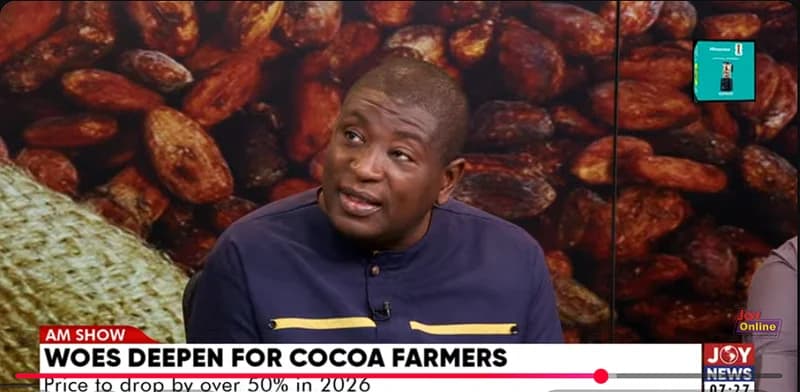
Ghana’s cocoa sector is currently embroiled in a significant controversy as the Ghana Cocoa Board (COCOBOD) accuses officials at licensed buying companies (LBCs) of misappropriating government funds. According to COCOBOD director Jake Kudjo Semahar, these officials are allegedly using state resources to purchase cheaper, illicitly sourced cocoa beans from Ivory Coast rather than supporting local growers. This trend is driven by a stark price disparity—1,200 cedis for Ivorian cocoa versus 2,587 cedis for Ghanaian cocoa—which has incentivized smuggling into Ghana. The practice not only undermines the income of domestic farmers, many of whom have remained unpaid for deliveries since late 2025 due to liquidity issues, but also threatens Ghana’s long-standing international reputation for premium cocoa quality. In response, COCOBOD’s anti-smuggling unit has initiated a crackdown, resulting in multiple arrests and the seizure of over 100 bags of contraband beans.
Adding to the sector’s woes, energy analyst Kwadwo Poku has issued a stark warning regarding the 2026/2027 season, citing a projected collapse in global cocoa prices. The World Bank forecasts prices to plummet from approximately US$7.80 per kilogram in 2025 to just US$3.80 per kilogram by 2026. Poku argues that financial strains on buyers and increased global supply, aided by improved rainfall, could leave Ghanaian farmers earning even less than these pessimistic projections. He criticized the current purchasing system for its inability to protect producers, noting that many farmers are already holding unsold inventory as buying companies struggle with financial insolvency. This combination of immediate smuggling threats and long-term price volatility presents a dual crisis for Ghana’s agricultural backbone.
In the extractive sector, the narrative is focused on resource nationalization and regulatory compliance. Damang Gold Mine Ltd has recently entered a landmark agreement to sell its initial gold output to GoldBod, an initiative supported by the Bank of Ghana to strengthen national gold reserves. Sammy Gyamfi, CEO of GoldBod, has called for even greater participation from large-scale mining firms, pointing out that artisanal miners have already contributed a notable 104 metric tonnes to national reserves. Simultaneously, Adamus Resources Limited is defending its corporate integrity against allegations of illegal mining. The company asserts that it operates strictly within the Minerals and Mining Act of 2006 and has actually been a victim of illegal miners encroaching on its concessions. Adamus has pledged full transparency and cooperation with authorities, warning that regulatory inconsistencies could damage investor confidence in Ghana’s mining industry.
Beyond cocoa and gold, Ghana is looking toward industrial diversification through the cashew industry. At the Regional Cashew Apple Valorisation Conference in Accra, Dr. Andrew Osei Ankrah of the Tree Crops Development Authority highlighted a massive economic opportunity in the cashew apple, which currently sees 90% of its mass go to waste. By shifting focus from just the nut to the entire fruit, the government aims to drive job creation and industrial use for various products. This move, alongside the strategic efforts in gold reserve accumulation and the necessary reforms in the cocoa sector, reflects a broader national effort to stabilize the economy and foster resilience against global market fluctuations and internal systemic leaks.
This story touches markets covered on Anansi Intelligence ↗.
Live rates
Ghana gold price →More from business
Continue exploring similar stories

