••
Ghana Bolsters Social Protections with $2.3 Million Child Labour Initiative and Renewed Advocacy for Women and Environment
•3 min read•12 sources
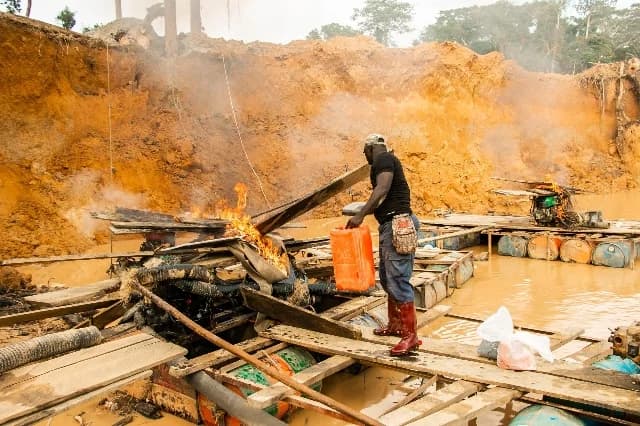
In a major move to safeguard the rights of children, the Government of Ghana, in partnership with Japan and UNICEF, has launched a US$2.3 million initiative to combat child labour across the country’s most affected sectors. The 12-month public-private partnership specifically targets the agriculture, mining, and fisheries industries, where approximately 1.1 million children are currently estimated to be engaged in labour. The project aims to provide direct support to over 13,000 children and their caregivers in the Ashanti, Eastern, Western North, Ahafo, and Central regions by enhancing social protection systems and expanding 'Child Labour Free Zones.'
Beyond immediate intervention, the initiative focuses on systemic change by integrating digital solutions for better case management and monitoring. UNICEF Ghana representative Mr. Osama Makkawi Khogali emphasized that the project links child protection with education and family resilience, while the Japanese Ambassador highlighted the effort as a commitment to human rights alongside economic growth. Stakeholders will also receive training in ethical business practices to ensure sustainable, long-term improvements in community relations concerning land and water resources. This comprehensive approach is designed to address the significant funding gap that has historically hindered Ghana's efforts to withdraw children from hazardous work and return them to the classroom.
While child welfare takes center stage, other social and environmental advocates are pushing for urgent action in their respective fields. The Daring Women Summit 2026 in Big Ada recently called for collective action against gender inequalities, emphasizing mentorship and economic inclusion for girls. This was mirrored by Prudential Bank and Mastercard’s 'Ignite Her' series at Labone Senior High School, which focused on building integrity and leadership skills among young women. Adding a spiritual dimension to the discourse, Lady Reverend Grace-Tera Korsinah urged a shift in gender advocacy toward acknowledging divine design rather than relying solely on temporary human solutions.
Simultaneously, the Ghana Coalition Against Galamsey has issued a stern warning that the fight against illegal mining is failing, citing the ongoing destruction of forests and vital water bodies. The coalition has called for the suspension of small-scale mining licenses and increased accountability for government officials to prevent a public health and environmental crisis. On the health and education front, April’s Autism Awareness Month and World Oral Health Day have seen institutions like Bright Steps International School and Pepsodent launching campaigns to reduce social stigma and promote better hygiene. Collectively, these initiatives reflect a nation grappling with complex developmental challenges that require integrated efforts from the government, international partners, and the private sector to ensure a sustainable future for all Ghanaians.
This story touches markets covered on Anansi Intelligence ↗.
More from africa
Continue exploring similar stories


