••
Ghana Cedi Faces Volatility Amid Geopolitical Tensions: Bank of Ghana Assures Stability
•3 min read•17 sources
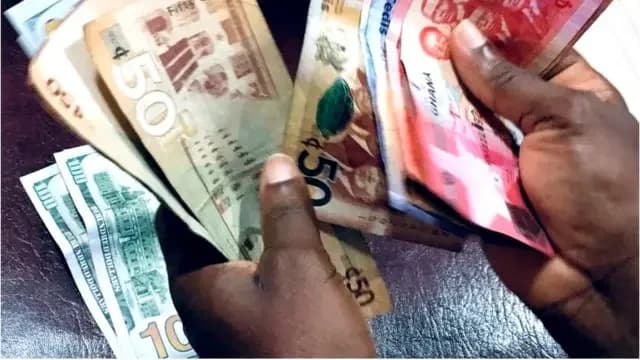
The Ghana cedi has encountered significant pressure in 2026, emerging as one of the worst-performing currencies in West Africa with a year-to-date depreciation of approximately 10.28%. This recent slide contrasts sharply with the currency’s performance in 2025, during which it saw a remarkable 40.7% appreciation against the US dollar. As of May 25, 2026, interbank rates recorded the dollar at GH¢11.63, while retail markets and forex bureaus reported selling rates as high as GH¢12.51. This volatility has prompted concerns among the business community, yet economic experts and the central bank describe the situation as a manageable adjustment rather than a full-scale currency crisis.
Analysts attribute the current depreciation to a combination of external and seasonal factors. Primarily, escalating geopolitical tensions in the Middle East—specifically the conflict involving the US, Israel, and Iran—have driven up global crude oil prices and disrupted gold export routes. Ghana’s oil import bill surged from US$1.6 billion in April 2025 to US$2 billion by April 2026, intensifying the demand for foreign exchange. Furthermore, seasonal demand for dollars has been exacerbated by foreign firms repatriating dividends and increased requirements from the energy sector. These global uncertainties have historically driven investors toward safer assets, putting additional strain on emerging market currencies like the cedi.
In response to these pressures, the Bank of Ghana has maintained a cautious but firm stance. The central bank recently held its Monetary Policy Rate at 14% to insulate the economy from external shocks while balancing inflation control with the need for credit accessibility. Governor Dr. Johnson Asiama and other officials have reassured the public that Ghana possesses robust buffers, with gross international reserves standing at approximately US$14.42 billion as of May 2026. This reserve level is deemed sufficient to meet seasonal forex demands and prevent excessive volatility. Professor Patrick Asuming of the University of Ghana supported this view, stating that the depreciation remains within reasonable limits compared to historical trends and that the central bank’s approach of controlled flexibility is preferable to defending a fixed exchange rate.
Despite these assurances, other segments of the financial market show signs of caution. A recent primary market auction for Treasury bills was undersubscribed by GH¢266 million, with total bids falling 5.9% short of the government’s GH¢4.49 billion target. While yields on short-term bills remained relatively stable, the slight decline in investor demand reflects a cautious sentiment among lenders. As the government seeks to raise nearly GH¢5.89 billion in upcoming auctions, the focus remains on whether the central bank’s interventions and the stability of macroeconomic indicators, such as inflation, can effectively anchor expectations and provide the certainty needed for long-term business planning.
This story touches markets covered on Anansi Intelligence ↗.
Live rates
Bank of Ghana policy rate →More from business
Continue exploring similar stories

