••
Ghana Economic Outlook: Cedi Stability Identified as Key Inflation Driver Amidst T-Bill Gains and Digital Tariff Relief
•2 min read•9 sources
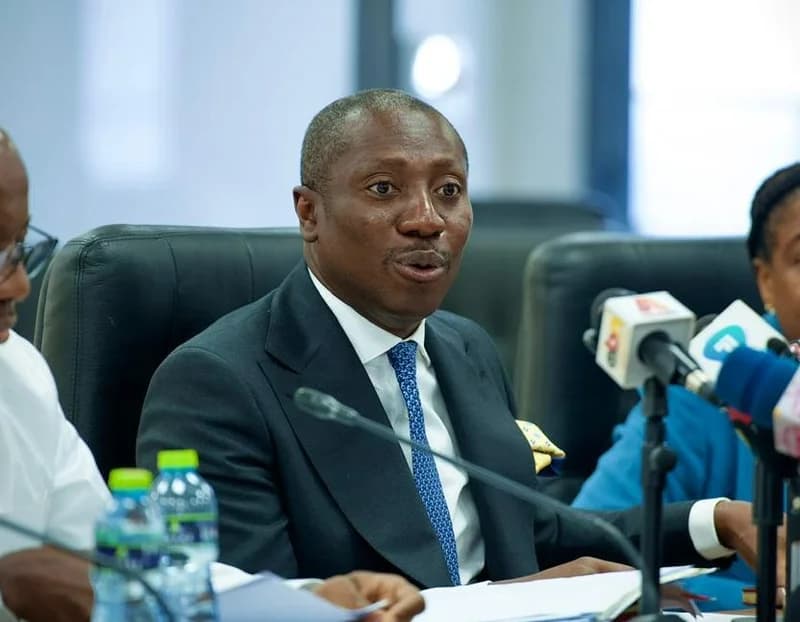
Recent economic developments in Ghana have highlighted a critical shift in how the nation understands and manages its financial health. A comprehensive study titled 'GANRAP Analysis: Gold, Oil, FX and Ghana Inflation,' authored by researchers Emmanuel Awuku Debrah and Benedict Atta Boateng, has identified the depreciation of the cedi as the primary driver of the nation’s inflation, rather than global oil prices or geopolitical conflicts. Analyzing data from 2010 through January 2026, the study provides a robust rebuttal to previous assumptions that attributed the 2022 inflation surge of 54.1% solely to external factors like the Russia-Ukraine war and the COVID-19 pandemic. The researchers emphasize that stabilizing the local currency is the most effective way to protect the purchasing power of Ghanaian families and businesses.
Simultaneously, the government’s fiscal strategy has seen mixed but positive results in the domestic credit market. A recent treasury bill auction recorded a 7.4% oversubscription, with total bids reaching GH"8.7 billion. While investor interest showed some signs of waning due to lower yields, the government accepted GH"7.9 billion of the bids, with the 91-day bill accounting for 70% of the interest. Yields for the 91-day bill fell to 4.71%, a move that mirrors the broader effort to reduce the cost of domestic debt. These developments are being complemented by private sector responsiveness; MTN Ghana announced a reduction in tariffs for voice, data, and digital services starting January 2, 2026. This move follows a VAT reform that lowered the effective rate from 21.9% to 20%, with MTN—which holds 72.7% of the mobile voice share—passing these savings directly to consumers to bolster the digital economy.
Amidst these macroeconomic shifts, Minority Leader Alexander Afenyo-Markin has called for a fundamental change in the mindset of the Ghanaian youth to ensure long-term prosperity. Speaking at the Beyond the Degree Conference in March 2026, he urged young people to transition from being job seekers to job creators, noting that the country’s future depends on entrepreneurship in sectors such as digital innovation, agriculture, and manufacturing. By drawing parallels to global innovators like Steve Jobs and Jack Ma, Afenyo-Markin stressed that technical skills and initiative are vital for Ghana to compete in a globalized economy. Together, these factors—currency stability, lower borrowing costs, reduced digital operational expenses, and a surge in youth-led innovation—form the pillars of Ghana’s evolving economic strategy for 2026 and beyond.
This story touches markets covered on Anansi Intelligence ↗.
Live rates
Ghana gold price →More from business
Continue exploring similar stories

