••
Ghana Business Outlook: Navigating Policy Execution, Industrial Disputes, and Regulatory Reforms
•3 min read•37 sources
Ghana’s business landscape is currently defined by a push for structural transformation, though stakeholders warn that policy vision must be matched by rigorous execution. Mark Badu Aboagye, CEO of the Ghana National Chamber of Commerce and Industry (GNCCI), has voiced significant skepticism regarding the proposed 24-hour economy, cautioning that it risks becoming a mere political slogan without concrete private sector incentives. This sentiment mirrors concerns over the One District One Factory (1D1F) initiative, which Aboagye noted suffered from implementation gaps that hindered its potential to resolve the national unemployment crisis. Against this backdrop, Finance Minister Cassiel Ato Forson recently engaged the World Bank to pivot from economic stabilization toward sustainable job creation, particularly for the youth, signaling a government-wide focus on transitioning into a new phase of growth.
Industrial and legal tensions have also come to the fore, most notably the high-profile dispute between the Ghana Airports Company Limited (GACL) and McDan Aviation. GACL has moved to terminate McDan’s Fixed Base Operation agreement at Kotoka International Airport, citing substantial rent arrears and the submission of rejected banknotes, while McDan contests the eviction as a breach of contract. The situation has prompted the Coalition of GaDangme Pressure Groups to call for the protection of local investors to maintain national entrepreneurial confidence. Meanwhile, the Tree Crops Development Authority (TCDA) is tightening industry standards through the nationwide rollout of the Tree Crops Conveyance Certificate System. This new regulatory framework requires licensed traders to obtain certification for the transport of commodities such as cashew, coconut, and oil palm, aiming to enhance transparency and curb illegal trade across the value chain.
In the agricultural sector, there is a renewed focus on value addition and food security. Feasibility studies co-funded by Ireland are currently underway in the Bono Region to establish cassava flour and industrial starch processing facilities, which are expected to boost rural incomes and reduce post-harvest losses. Stakeholders in the Savannah Region are also advocating for greater inclusion of smallholder farmers in policy discussions to strengthen the cashew industry. These efforts are supported by a relatively stable economic environment for essential goods; according to the AGRA Food Security Monitor, prices for major grains like maize remained stable through early 2026, providing a much-needed buffer for local consumers and agribusinesses despite regional fluctuations.
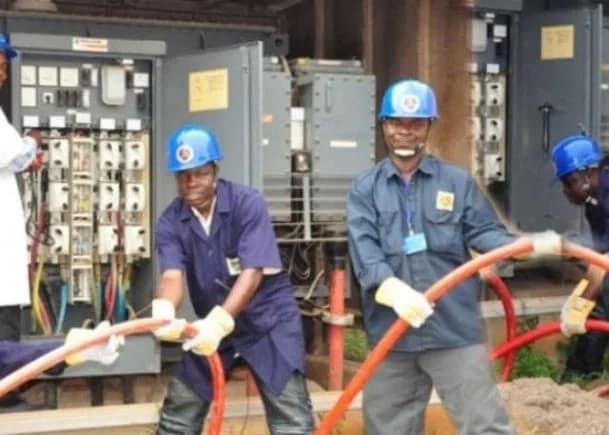
The energy and education sectors are also undergoing critical upgrades to support industrial capacity. The Ministry of Energy and Green Transition announced the rollout of standardized electricity meters starting in April to improve revenue collection and stabilize the power sector. This comes as the Electricity Company of Ghana (ECG) works to alleviate 'dumsor' fears in Kumasi, attributing recent outages to accidents and cable theft rather than generation shortfalls. On the human capital front, the launch of the Ghana-Japan Auto Connect initiative and the inauguration of new facilities at Kumasi Technical University underscore a commitment to technical skills development. These projects, along with corporate mentorship programs from PwC Ghana and the University of Ghana, aim to equip the next generation of leaders with the expertise required to drive Ghana’s socio-economic resilience.
This story touches markets covered on Anansi Intelligence ↗.
More from business
Continue exploring similar stories

