••
From Corporate Leadership to Regional Trade: Navigating Ghana's Evolving Business Landscape
•3 min read•6 sources
The Ghanaian business landscape continues to be shaped by a blend of high-level corporate contribution, personal resilience, and evolving regional trade prospects. At a recent executive dinner ball at Manhyia Palace, the Asantehene, Osei Tutu II, lauded Alex Appau Daddey, Executive Chairman of KGL Group, for his significant impact on the nation's socio-economic development. Highlighting the group’s contributions toward tax revenue and the construction of mental health facilities, the Asantehene emphasized that private sector leadership is indispensable for national progress. This recognition from the Manhyia Palace underscores the vital intersection between private enterprise and public governance in driving the country's developmental agenda.
Parallel to these high-level recognitions, the personal narratives of entrepreneurs like Richard Nii Armah Quaye (RNAQ) offer a glimpse into the grit required to succeed in the local market. Reflecting on his journey from a rural upbringing in Pokuase—where he lived without electricity or running water—to his current status as a prominent businessman, Quaye underscores the importance of perseverance. Despite facing intense public scrutiny and online criticism regarding his wealth, Quaye maintains a stoic stance, drawing inspiration from mentors like Osei Kwame Despite. He views such challenges as a natural byproduct of success, asserting that his focus remains on professional endeavors and family rather than public perception.
For the next generation of entrepreneurs, the path to success involves more than just individual resilience; it requires strategic relationship-building. Oheneba Yaw Boamah, founder of the menswear brand Abrantie TheGentleman, recently urged young creatives to prioritize networking, arguing that many career-defining opportunities are born from long-term professional relationships. This call for intentionality in the creative industry aligns with broader efforts to expand Ghana's economic reach beyond its borders. For instance, content creator Goshers recently highlighted the untapped potential for agricultural trade between Ghana and Zambia, suggesting that Zambia’s self-sufficiency in poultry could serve as a model for intra-African trade, potentially reducing Ghana's reliance on external imports.
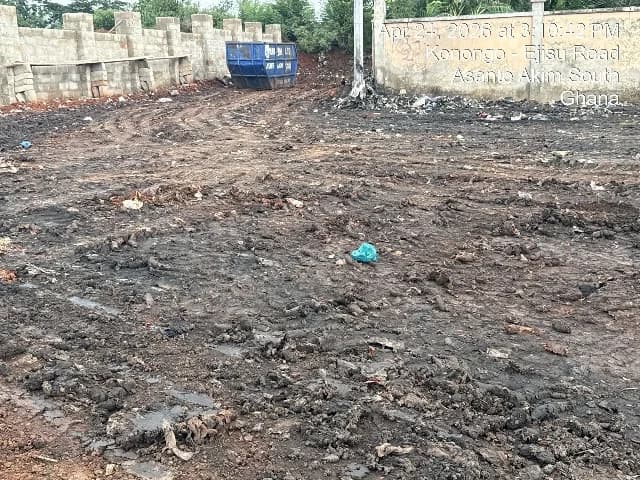
Finally, the theme of operational accountability remains central to the sustainability of the business environment. Following concerns raised at a Public Accounts Committee (PAC) hearing, Zoomlion Ghana Limited demonstrated corporate responsiveness by addressing sanitation challenges in the Asante Akyem South Municipality. The company investigated reports of waste spillage and operational hurdles caused by fuel shortages, investing nearly GHS 20,000 in immediate corrective measures. By addressing these logistical gaps and outlining long-term improvement plans, the company exemplifies how private entities must navigate operational challenges to maintain public trust. Together, these developments reflect a dynamic business ecosystem where leadership, networking, and regional integration are key to future growth.
This story touches markets covered on Anansi Intelligence ↗.
More from business
Continue exploring similar stories

