••
Black Stars’ Road to 2026: Technical Shifts, Player Resilience, and Calls for Administrative Accountability
•3 min read•8 sources
Ghana’s journey toward the 2026 FIFA World Cup is currently defined by a complex mix of technical rebuilding and intense public scrutiny. With the tournament on the horizon, the Black Stars have fortified their technical bench by appointing South African coach Roger De Sa as assistant to head coach Carlos Queiroz. De Sa, who joined the setup in early 2024, expressed immense pride in the role, noting that the 2026 campaign will mark his seventh involvement with a national team. However, this technical stability is being tested by high-pressure expectations as Ghana prepares to face a challenging Group I that includes England, Croatia, and Panama, with their opening match scheduled for June 17, 2026.
While the technical team prepares, prominent voices in Ghanaian sports are demanding greater accountability from the Ghana Football Association (GFA). Herbert Mensah, the former Board Chairman of Asante Kotoko, has been vocal about the need for administrative reform, arguing that leadership must take responsibility for the team’s recent struggles, including a disappointing failure to progress in previous continental competitions. Mensah acknowledged Carlos Queiroz’s coaching pedigree but warned that the team’s historical success despite 'poor administration' might not be repeatable in the modern game without better preparation and player morale. This criticism is shared by Ghanaian sprinter Edwin Gadayi, who recently slammed the Black Stars for failing to qualify for the 2025 Africa Cup of Nations (AFCON), pointing out the disparity in funding between football and athletics despite the latter's consistent medal-winning performances.
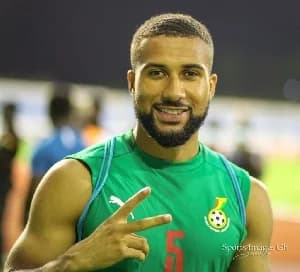
On the pitch, the narrative of resilience is personified by midfielder Daniel-Kofi Kyereh, who is fighting to reclaim his place in the national squad. After a grueling three-year recovery from a devastating anterior cruciate ligament (ACL) injury that saw him undergo multiple surgeries and even contemplate retirement, Kyereh has finally returned to competitive action with SC Freiburg’s reserve side. The 30-year-old, who was part of Ghana's 2022 World Cup team, has expressed a clear ambition to represent the Black Stars again in 2026. While he admits that his inclusion is ultimately up to the technical staff, he is focused on regaining full match fitness to prove he can still contribute at the highest level.
As the Black Stars move toward their World Cup opener in Toronto, the confluence of these stories highlights the high stakes of Ghana’s footballing future. The success of the 2026 campaign will likely depend on the synergy between the new technical leadership, the recovery of key veteran players like Kyereh, and the GFA’s ability to address the administrative concerns raised by stakeholders. With just months remaining to fine-tune the squad, the pressure is on for Ghana to translate its rich footballing pedigree into a cohesive performance on the world stage, while simultaneously addressing the systemic issues that have frustrated fans and fellow athletes alike.
This story touches markets covered on Anansi Intelligence ↗.
More from sports
Continue exploring similar stories


