••
Africa Environmental Outlook 2025: Ghana Shows Progress in Air Quality and Coastal Restoration Amidst Growing Water and Pollution Crises
•3 min read•9 sources
Ghana has recorded a significant improvement in air quality for the first time since 2021, according to the IQAir 2025 World Air Quality Report. The country’s annual average PM2.5 levels dropped by 40%, falling from 35.8 µg/m³ in 2024 to 21.3 µg/m³ in 2025, moving Ghana from the eighth to the eleventh most polluted nation in Africa. Despite this progress, levels remain over four times the World Health Organization (WHO) safe limit, contributing to an estimated 28,000 pollution-related deaths annually. Across the continent, the report highlights a stark disparity; while the French territory of Réunion met WHO standards, nations like Chad and the Democratic Republic of Congo recorded the highest pollution levels at 53.6 µg/m³ and 50.2 µg/m³, respectively. Globally, only 14% of cities breathed safe air in 2025, and Africa remains severely underserved by monitoring infrastructure, hosting only 1% of the world’s air quality stations.
To combat these environmental threats, Ghana is intensifying its ecological restoration and urban management efforts. The Forestry Commission has partnered with Terraformation to launch the Keta Lagoon Blue Carbon Project in the Volta Region. This ambitious initiative aims to restore 6,000 hectares of mangroves by planting 12 million native trees, a move expected to sequester 2.3 million tonnes of carbon dioxide over the next 40 years while creating local jobs and enhancing coastal resilience. In the capital, the Accra Metropolitan Assembly (AMA), in collaboration with The Or Foundation and local business associations, recently completed a major desilting of the Okai Kwei Road storm drain. This exercise cleared 400 meters of accumulated silt and plastic waste to mitigate the perennial flooding that plagues the Kantamanto business district.
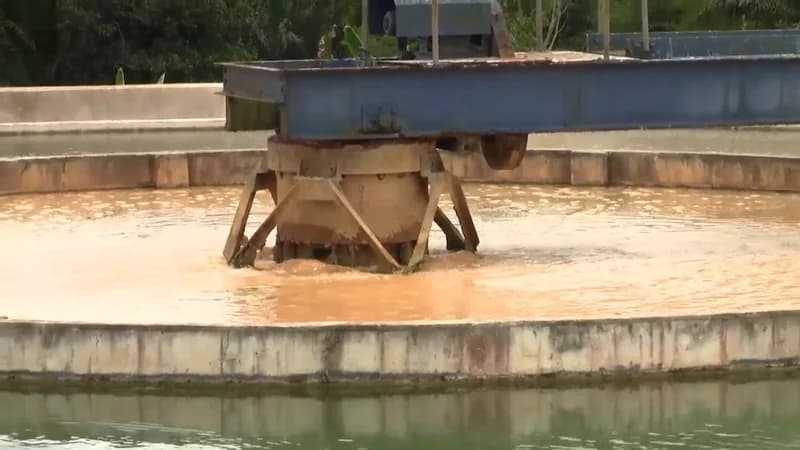
However, these gains are being offset by a worsening water crisis driven by environmental degradation and illegal mining. Households in Ghana are experiencing a dramatic surge in water costs, with some monthly bills jumping from 50 to over 170 cedis. The Ghana Water Limited is struggling to treat increasingly contaminated sources, with treatment costs projected to hit GH¢17.7 billion by 2030. Illegal mining remains the primary driver of this pollution, requiring more expensive chemicals and infrastructure to maintain supply. This 'price of clean' reflects a broader regional challenge where climate change and policy gaps make basic resources increasingly unaffordable for the average citizen.
While the data from 2025 suggests that targeted regulations and monitoring can lead to measurable improvements in air quality, the broader environmental landscape remains precarious. The IQAir report emphasizes that without a significant expansion of monitoring stations and stricter enforcement against illegal mining and urban dumping, the health and economic burdens of pollution will continue to rise. Moving forward, the success of large-scale projects like the Keta Lagoon mangrove restoration and urban drainage improvements will serve as critical benchmarks for Ghana’s ability to balance economic growth with environmental sustainability and public health safety.
This story touches markets covered on Anansi Intelligence ↗.
More from africa
Continue exploring similar stories


