••
Ghana Strengthens Economic Ties and Agricultural Value Chains to Drive Regional Growth
•2 min read•4 sources
Ghana is positioning itself as a premier business hub in West Africa through a strategic combination of international collaborations and targeted domestic interventions. The government has announced plans to develop 60 hectares of irrigated farmland dedicated to year-round tomato production, a move aimed at stabilizing local supply and preventing market gluts. During the Kwahu Business Forum, Trade Minister Elizabeth Ofosu-Adjare and President John Dramani Mahama emphasized that adding value through processing is essential to curbing post-harvest losses and ensuring that local businesses can compete effectively under the African Continental Free Trade Area (AfCFTA).
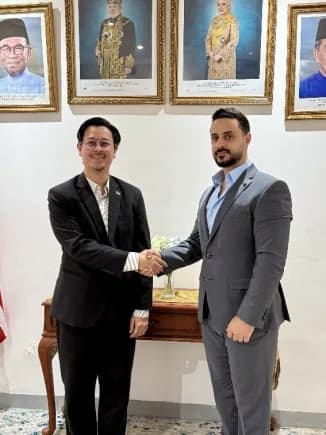
On the diplomatic and investment front, Ghana’s stable governance has attracted significant interest from global partners. Ukraine’s Deputy Minister of Economy, Denys Bashlyk, recently lauded Ghana as one of the most favorable countries for business during the launch of a regional food distribution hub in Accra. This hub, inaugurated by the Ukrainian consortium RIDNE, is designed to enhance West African food supply chains by sourcing local products and supplementing them with imports to stabilize prices. Similarly, Ambassador Yaghi Ibrahim is leading efforts to deepen economic cooperation with Malaysia, focusing on industrial technology adoption and value addition within the commodities sector to move beyond traditional diplomatic relations toward tangible trade results.
The domestic trade sector remains a critical pillar of this growth strategy, as highlighted during the recent Ghana Union of Traders Association (GUTA) Awards. Trade Minister Ofosu-Adjare noted that the government’s efforts to stabilize the economy are yielding results, citing a significant drop in inflation from 22.4% to 3.2%. To further support this momentum, former Minister Alan Kyerematen proposed the establishment of a specialized traders' bank to provide dedicated financial services to small and medium enterprises. These initiatives collectively reflect a robust drive toward industrialization and public-private partnerships.
Moving forward, the focus remains on creating an enabling environment that balances domestic production with international trade efficiency. By integrating large-scale irrigation projects with modern processing facilities and leveraging expertise from partners like Ukraine and Malaysia, Ghana aims to insulate its economy from external shocks. The ongoing dialogue between the government and associations like GUTA will be vital in ensuring that trade policies translate into sustainable livelihoods and long-term national development, solidifying Ghana's role as a gateway for commerce in the sub-region.
This story touches markets covered on Anansi Intelligence ↗.
More from business
Continue exploring similar stories

