••
Ghana’s Agribusiness Evolution: Agrotech Innovation and Infrastructure Gains Face Cocoa Sector Volatility
•3 min read•15 sources
Ghana is embarking on a significant transformation of its agricultural and industrial landscape, anchored by the inaugural Ghana Agricultural and Agro-Processing Industrial Technology Fair (Ghana Agrotech Fair 2026). Scheduled for March 17 to 19 at Independence Square in Accra, the fair aims to showcase local machinery and cutting-edge innovations under the theme "Transforming Agribusiness through Local Innovation and Technology." Organized by the Ministry of Trade, Agribusiness and Industry in partnership with Ghana EXIM Bank, the event will be officially opened by President John Dramani Mahama. This initiative aligns with a broader national strategy to modernize farming and foster a 24-hour economy, a vision further supported by the Millennium Development Authority’s (MiDA) ambitious plan to develop integrated agro-industrial hubs in the Volta Basin. Led by CEO Alexander Kofi-Mensah Mould and Board Chairman Charles Abugre, MiDA is currently identifying sites for Agro-Ecological Parks (AEPs) to transition the region from subsistence to industrialized farming.
To support these industrial ambitions, the government is prioritizing critical infrastructure and logistics improvements at the nation's gateways. At Tema Port, dredging works at Berths 13 and 14 are progressing steadily, with an expected completion date of mid-June 2026. Deputy Minister for Trade, Agribusiness and Industry Sampson Ahi and Transport Minister Joseph Bukari Nikpe emphasized that these works will allow vessels carrying up to 65,000 tons of clinker to dock directly. This intervention is expected to significantly reduce discharge delays for cement manufacturers, minimize congestion, and ultimately lower costs for consumers. However, the MiDA delegation has noted that while the potential for the Volta Basin is vast, significant infrastructure gaps—particularly in transport links across Northern Ghana and the Oti region—remain a hurdle that must be addressed to ensure reliable market access for the proposed industrial hubs.
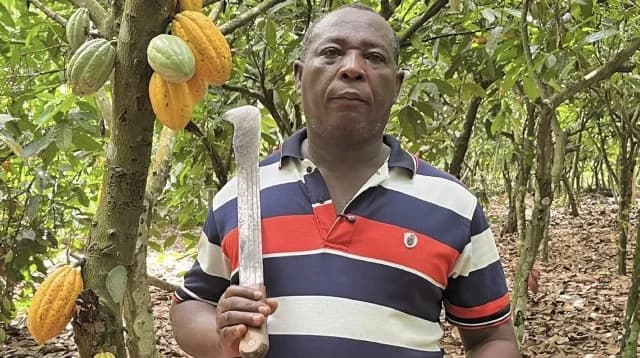
Despite these forward-looking projects, the backbone of Ghana’s economy, the cocoa sector, is facing a period of intense turbulence and structural crisis. The Produce Buying Company (PBC), a historic cornerstone of the cocoa purchasing system, is on the verge of a major liquidation as a consortium of banks prepares to auction its assets to recover over GH₵ 300 million in debt. This move follows a March 10, 2026, High Court ruling that dismissed PBC’s application for a stay of execution, putting buildings, vehicles, and operational facilities at risk of being sold. The crisis is compounded by global market uncertainty, where a forecasted production surplus and rising logistics costs due to geopolitical tensions in the Middle East are squeezing margins. While neighboring Ivory Coast reports a healthy mid-crop thanks to steady rainfall, many Ghanaian farmers continue to face dire financial straits due to delayed payments from Cocobod and rising production costs.
The juxtaposition of high-tech agricultural fairs and port expansions against the systemic debt of the PBC highlights a critical crossroads for Ghana’s business environment. To achieve the sustainable growth and competitiveness envisioned by the government, the nation must bridge the gap between technological innovation and the financial stability of its primary producers. The success of the Agrotech Fair and the MiDA hubs will ultimately depend on resolving the structural challenges within the cocoa value chain and ensuring that infrastructure improvements translate into tangible relief for both large-scale manufacturers and rural farmers. As Ghana prepares for these major milestones in 2026, the balance between modernization and the resolution of legacy financial debts remains the central challenge for national policymakers.
This story touches markets covered on Anansi Intelligence ↗.
More from business
Continue exploring similar stories

