••
Ghana Health Watch: FDA Warns of Widespread Blood Bank Non-Compliance While Water Quality is Restored in Sunyani
•3 min read•17 sources
The Food and Drugs Authority (FDA) of Ghana has raised a major alarm regarding the safety of the nation's blood supply, revealing that only 12 out of approximately 112 audited blood banking facilities currently meet necessary licensing standards. During a stakeholder engagement themed "Road to Compliance," FDA CEO Dr. Edwin Nkansah highlighted a troubling trend of regulatory non-compliance that has persisted despite nearly a decade of audits and capacity-building efforts. The authority identified several critical lapses, including the use of unregistered medical devices, inadequate training for personnel, poor documentation practices, and substandard care for donors. Stakeholders from the Ghana Health Service and the World Health Organization have called for the immediate implementation of a functional hemovigilance system to monitor the entire transfusion chain and restore public trust in the country's health security.
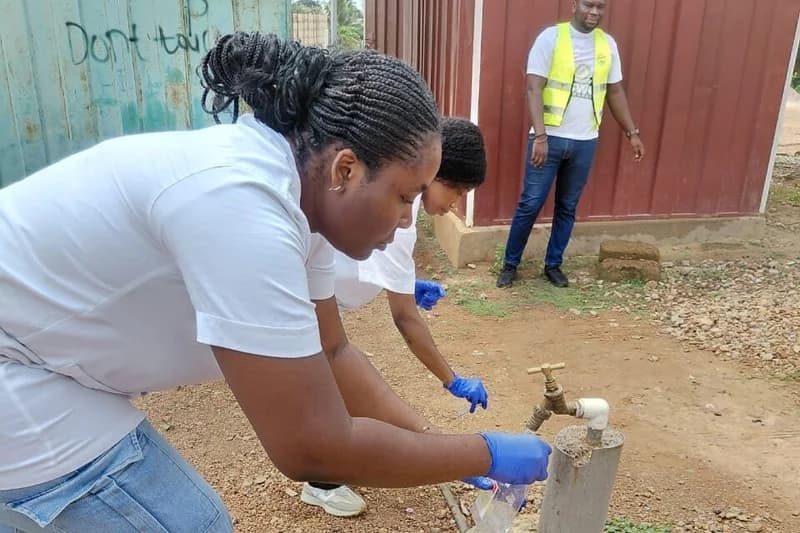
While the FDA addresses clinical safety, the Public Utilities Regulatory Commission (PURC) has moved to resolve public health concerns regarding water safety in the Bono Region. After weeks of acute shortages and fears over contamination, rigorous laboratory testing has confirmed that water from the Abesim Treatment Plant in Sunyani is once again safe for human consumption. A joint technical team from the PURC and Ghana Water Company Limited (GWCL) assessed both raw and treated water samples, concluding that quality levels now meet national potable water standards. The disruptions were largely attributed to high turbidity levels in the Tano River, but officials assure residents that supply operations have stabilized, though ongoing monitoring will continue to prevent future irregularities.
In addition to these regulatory updates, prominent Ghanaian designer Kwabena Owusu Agyemang, popularly known as Master P, has sparked a national debate on the health implications of second-hand clothing. He is advocating for a stricter ban on the importation of used garments, particularly undergarments, citing significant risks of viral and bacterial infections. Master P noted that these items are often treated with hazardous chemicals in their countries of origin and warned that weak enforcement of existing laws poses a skin health threat to consumers. He urged the government and private sector to invest more heavily in local manufacturing to provide affordable, high-quality alternatives while reducing the nation's reliance on potentially contaminated imports.
Efforts to bridge the healthcare gap in rural areas also saw progress this week as the Volta and Oti regional branches of the Ghana Bar Association (GBA) made a significant donation to the Teteman CHPS compound. The GBA provided GH"10,000 worth of essential medical equipment, including a delivery bed, wheelchairs, and diagnostic tools, to support Mother’s Day celebrations and local clinical capacity. GBA President Moses Ayine Asampoa emphasized that equitable access to health services between urban and rural settings is a fundamental necessity. These combined developments across blood safety, water sanitation, and rural health infrastructure underscore a pivotal moment for Ghana as it seeks to strengthen its national health standards through both regulation and community-led initiatives.
This story touches markets covered on Anansi Intelligence ↗.
More from health
Continue exploring similar stories


