••
Broadcaster Kwame Dzokoto and Singer Michael Kiwanuka Highlight Health Struggles with High Blood Pressure
•2 min read•2 sources
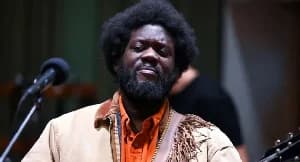
High-profile figures in the global entertainment industry are drawing attention to the critical importance of cardiovascular health as they share personal accounts of their medical journeys. Veteran Ghanaian actor and broadcaster Kwame Dzokoto and award-winning British singer-songwriter Michael Kiwanuka have both recently opened up about their struggles with high blood pressure, highlighting how these "silent killers" can affect individuals regardless of their professional success or age. Their transparency aims to debunk misinformation and encourage proactive health management among their audiences. Kwame Dzokoto recently addressed the public to forcefully dismiss rumors regarding his death, confirming that while he has faced serious health challenges, he is very much alive. During an interview on B.E. TV, the broadcaster revealed he has been managing both diabetes and high blood pressure, conditions that eventually required him to undergo surgery abroad. Dzokoto expressed his deep appreciation for the support he received during this period, specifically naming President John Mahama as a key figure who assisted in his medical journey. Currently in recovery, Dzokoto emphasized the necessity of maintaining a clear and "free mind" to continue his dedicated service in the media, particularly within his cherished radio career. On the international stage, 39-year-old Mercury Prize winner Michael Kiwanuka shared a similarly harrowing health update with his followers. The London-based artist announced via Instagram that he suffered a stroke a few months ago, a direct consequence of high blood pressure. Kiwanuka, known for his soulful and introspective music, described the incident as the beginning of a "long, tough journey ahead" in terms of his rehabilitation and recovery. His disclosure has resonated deeply with fans and colleagues, shedding light on the unexpected risk of strokes in younger adults and the vital need for blood pressure monitoring. The experiences of both Dzokoto and Kiwanuka underscore the pervasive threat of non-communicable diseases and the resilience required to overcome sudden health crises. While Dzokoto’s recovery involves returning to his public-facing roles in Ghana with renewed gratitude, Kiwanuka’s path involves intensive physical and mental restoration. Together, their stories provide a powerful narrative on the importance of medical vigilance, the value of robust support systems, and the courage to speak openly about personal vulnerability in the face of life-altering diagnoses.
Related topic
John Mahama: Latest News & Updates →

