••
WHO Applauds Ghana Medical Trust Fund’s Impact as President Mahama’s Administration Faces Calls for Sustainable Health Financing
•2 min read•3 sources
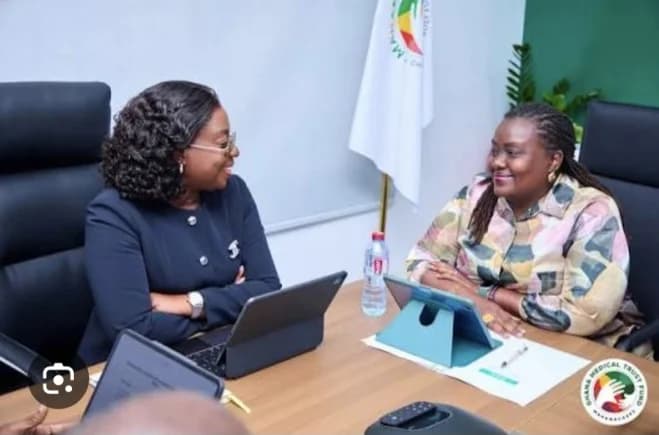
The World Health Organization (WHO) has officially recognized the significant impact of the Ghana Medical Trust Fund (GMTF), describing it as a vital mechanism for reducing the financial burden on citizens living with chronic diseases. Dr. Fiona Braka of the WHO commended the fund for its role in advancing Universal Health Coverage (UHC), specifically highlighting President John Mahama’s vision in establishing the initiative. Currently, the GMTF is being viewed as a regional model for strengthening specialist care and improving healthcare access, though experts emphasize that sustainable financing is required to maintain its long-term success.
Complementing this international recognition, Adjoa Obuobia Darko-Opoku, the Administrator of the GMTF, has challenged healthcare leaders to move beyond policy frameworks and focus on tangible patient outcomes. Speaking at a conference for senior nursing and midwifery managers, Darko-Opoku emphasized that the true measure of the fund's success lies in whether patients "feel the difference" in the quality of care they receive. She urged for the greater inclusion of nursing and midwifery voices in high-level policy discussions to bridge the gap between administrative decisions and frontline healthcare delivery.
While the GMTF focuses on specialist and chronic care, a broader conversation regarding the sustainability of Ghana's primary healthcare (PHC) system is emerging among key stakeholders. At a recent symposium organized by the University of Health and Allied Sciences (UHAS), experts noted that national health spending remains below the 15 percent Abuja Declaration target. This funding gap is particularly critical as Ghana prepares for its immunization programs to transition to full self-financing by 2030. Stakeholders are calling for urgent domestic resource mobilization to prevent a lapse in essential services.
To address these financial pressures, health experts recommend a multi-faceted approach, including embedding immunization costs into the Free Primary Healthcare framework and establishing dedicated budget lines for vaccine procurement. Other proposed strategies include the introduction of health bonds and the earmarking of excise-tax revenues to ensure a resilient health system. As President Mahama’s administration continues to drive the UHC agenda, the integration of sustainable financing models with the GMTF’s specialized support will be essential for the long-term health security of the nation.
Related topic
John Mahama: Latest News & Updates →

