••
Ghana's Education Infrastructure in Flux: Diaspora Girls' SHS Faces Deficits as Tendamba Primary Makes Way for Market Project
•2 min read•2 sources
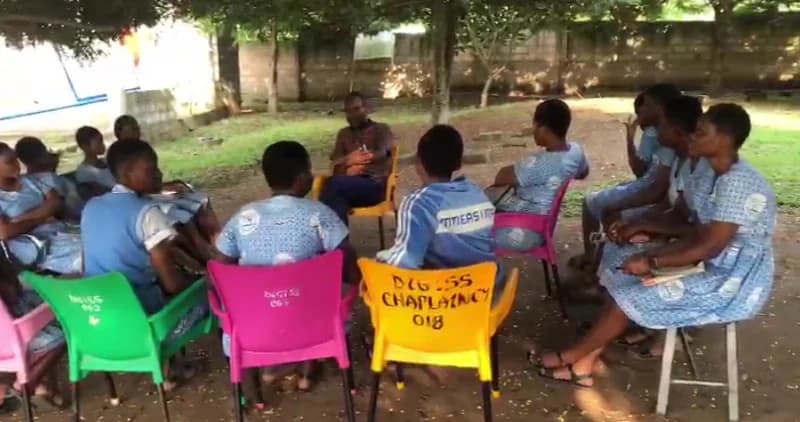
The landscape of educational infrastructure in Ghana is currently marked by a sharp contrast between severe deficits in some regions and the removal of established structures for commercial redevelopment in others. In the Eastern Region, Diaspora Girls’ Senior High School (SHS) in Obodan is grappling with a critical lack of classrooms and basic amenities. Simultaneously, in the Upper West Region, the historic Tendamba Primary School in Wa has been demolished to facilitate the construction of a market, highlighting the complex intersection of educational needs and municipal development.
At Diaspora Girls’ SHS, the infrastructure crisis has reached a point where students are forced to attend classes under trees or within the school’s canteen. The facility's dining hall, originally designed to accommodate fewer than 200 students, now serves a population of approximately 900. This overcrowding has forced students to eat in shifts or use unfinished structures for meals. During the rainy season, the lack of permanent roofing for outdoor classes significantly disrupts the academic calendar, leading parents and community leaders to issue an urgent plea to the Ministry of Education and the Ghana Education Service for immediate intervention to safeguard the students' learning environment.
Meanwhile, in Sokpayiri, Wa, the 70-year-old Tendamba Primary School was recently demolished to make room for the Wa Municipal segment of a 24-hour economy market project. Established in 1956, the school was a cornerstone of the community’s heritage, and its removal followed months of legal disputes and resistance from local landlords concerned about educational access. The demolition finally proceeded following mediation by the Overlord of the Waala Traditional Area. To prevent a total disruption of education for the displaced pupils, temporary classroom arrangements have been made as construction on the new market begins.
These developments underscore the persistent challenges facing Ghana’s education sector, ranging from rural infrastructure neglect to the displacement of schools by urban expansion. While the Wa Municipal assembly seeks to stimulate the local economy through the new market project, the plight of schools like Diaspora Girls’ SHS serves as a reminder of the urgent need for consistent investment in school facilities. Stakeholders across both regions are calling for a balanced approach that ensures students' right to a safe and conducive learning environment is not compromised by infrastructure deficits or commercial priorities.
This story touches markets covered on Anansi Intelligence ↗.
Related topic
Ghana Education Service (GES): Latest News Today →More from education
Continue exploring similar stories


