••
Aliko Dangote Revitalizes Nigerian Auto Sector as Ghanaian Beauty Brands Assert International Quality Standards
•2 min read•2 sources
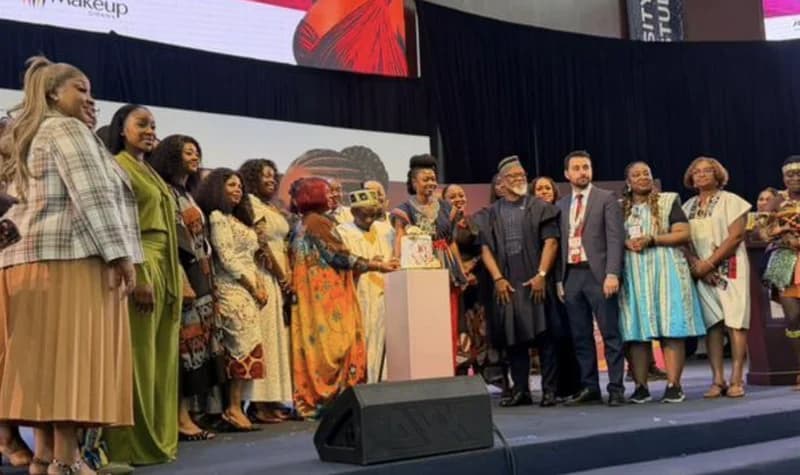
West African industrialization is witnessing a dual push for self-reliance as Aliko Dangote leads a resurgence in Nigeria's automotive sector and Ghanaian SMEs champion the global competitiveness of local beauty products. Both sectors, while distinct, face similar structural hurdles, including competition from cheap imports and the need for robust government policies to protect burgeoning local manufacturing. This movement signifies a broader regional shift toward adding value to local resources and reclaiming market share from foreign interests.
In Nigeria, the "Return of the Lion" marks a pivotal moment for the automotive industry. Aliko Dangote, through the acquisition of a controlling stake in PAN Nigeria, has established a new assembly plant that opened in early 2022. Capable of producing 120 vehicles daily, the facility aims to reclaim the legacy of local assembly established decades ago with the Peugeot 504. However, the project faces stiff headwinds from a market dominated by affordable used vehicle imports. Despite these industrial ambitions, currency depreciation and significant infrastructure deficits continue to challenge the scalability and competitiveness of local car assembly.
Parallel to these efforts, Ghana’s beauty and cosmetics industry is asserting its presence on the international stage. During the 10th Beauty, Cosmetics and Wellness West Africa Ghana Expo, local CEOs countered the narrative that Ghanaian-made products are inferior to foreign brands. These entrepreneurs highlighted that their offerings, which utilize locally sourced ingredients, already meet international quality standards. The expo served as a platform to attract foreign interest and showcase the sector's growth potential, though leaders emphasized that significant government intervention is required to scale operations and boost domestic patronage.
The success of these industrial ventures in West Africa hinges on a delicate balance between industrial policy and consumer welfare. While Dangote’s automotive initiative and the Ghanaian cosmetics sector demonstrate a high level of local expertise and ambition, they both contend with the allure of cheaper imported alternatives. Moving forward, the regional business landscape will require strategic alignment between the private sector and government regulators to foster an environment where locally manufactured goods can compete effectively against global giants, ensuring long-term economic stability.
This story touches markets covered on Anansi Intelligence ↗.
More from business
Continue exploring similar stories


