••
Bank of Ghana Refutes $260m Headquarters Sale Rumors Amid Warnings of Rising Inflation Risks
•2 min read•13 sources
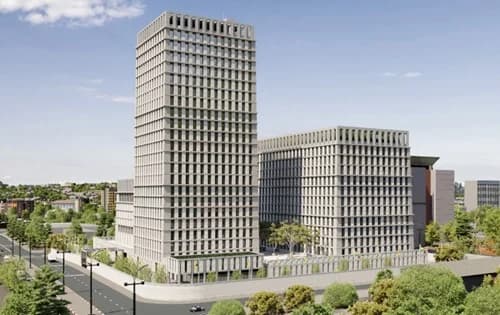
The Bank of Ghana (BoG) has officially dismissed reports suggesting it is considering the sale of its newly commissioned $260 million headquarters, known as 'The Bank Square,' in Accra. In a firm statement released on June 2, 2026, the central bank labeled these claims as false and misleading, emphasizing that the facility is a critical asset necessary for its operational efficiency and the fulfillment of its statutory mandate. The denial follows reports from private media outlets suggesting that the BoG was exploring sale or leaseback arrangements to stabilize its financial position following reported losses in 2025.
The Bank Square, which was commissioned in November 2024, represents a significant investment in the nation’s financial infrastructure. The BoG warned that the dissemination of unverified reports regarding its assets could severely undermine public confidence in Ghana’s financial system and create unnecessary market uncertainty. Bank officials have urged the public and media organizations to rely exclusively on official communication channels and to verify information before publication to maintain the integrity of the financial sector.
While addressing internal asset rumors, the central bank is also navigating significant macroeconomic headwinds. Internal projection models indicate that Ghana's inflation rate could climb above 10% by the end of the year, potentially breaching the Bank's upper target limit. This inflationary pressure is largely driven by rising global crude oil prices; projections suggest that if oil remains above $100 per barrel through June, the impact on transport fares, utility tariffs, and petroleum product costs will be substantial. Analysts warn that ongoing geopolitical instability, particularly in the Middle East, poses a persistent threat to Ghana’s economic stability.
These economic developments are expected to take center stage during the upcoming Monetary Policy Committee (MPC) meetings scheduled for July 20 to 22, 2026. Governor Dr. Johnson Asiama has indicated that while the committee remains ready to react to improving conditions, current global pressures may necessitate a pause in planned interest rate cuts or even a policy rate hike to curb inflation. The Bank of Ghana remains committed to its inflation-targeting framework as it balances the need for economic growth with the necessity of maintaining price stability in a volatile global market.
This story touches markets covered on Anansi Intelligence ↗.
Live rates
Bank of Ghana policy rate →More from business
Continue exploring similar stories


