••
Ghana Targets Global Markets and Agricultural Growth Through Strategic Investments and Agritech Innovation
•3 min read•3 sources
The Ghanaian government and private sector are launching a multi-pronged offensive to bolster the nation's economic profile, focusing on large-scale international investment and a technology-driven agricultural revolution. A key pillar of this strategy involves a high-level delegation from four Ghanaian institutions, led by the Ghana Investment Promotion Centre (GIPC), which is currently courting investors across North America. Through the Invest Ghana Business Forum and Exhibitions in Canada and the United States, officials are leveraging the upcoming 2026 FIFA World Cup to showcase opportunities in energy and agribusiness. A strategic highlight of this international outreach is the promotion of the Ghana Trade House in Philadelphia, designed to cement a permanent trade presence and foster long-term commercial ties between West Africa and North American markets.
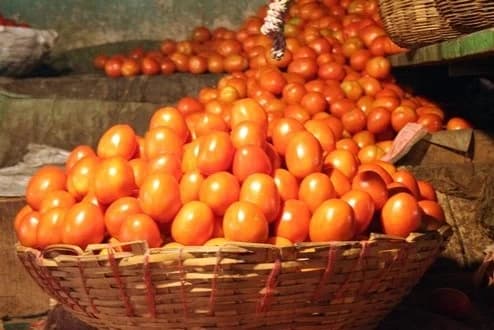
On the domestic front, the Ministry of Food and Agriculture (MoFA) is intensifying efforts to modernize the local agricultural value chain, with a specific focus on achieving self-sufficiency in tomato production. To reduce the country's heavy reliance on imports, the government has initiated programs to distribute subsidized hybrid seeds and provide technical training in advanced agronomic practices. While officials emphasize that improved seed varieties and dry-season irrigation are essential for stabilizing prices and increasing yields, local farmers remain cautious, noting that significant hurdles in irrigation infrastructure and climate resilience must still be addressed to ensure the program's long-term success.
Bridging the gap between local production and global demand, the private sector is introducing sophisticated technological solutions to eliminate the traditional "guesswork" of farming. The agritech firm Complete Farmer has launched a digital platform that enables farmers to manage their operations remotely through data-driven planning and customized farming guides. By providing remote monitoring and eliminating the need for expensive soil testing, the platform aims to standardize crop quality across Ghanaian communities. This technological integration is critical for meeting the rigorous standards of international buyers, thereby making Ghanaian producers more competitive on the global stage.
These combined initiatives represent a holistic approach to national development: while the GIPC secures the necessary foreign direct investment, the government and agritech firms are building the infrastructure and quality standards required to sustain that growth. By aligning international trade forums with domestic production support and digital innovation, Ghana aims to create a more resilient economy. The success of these efforts will likely depend on the effective execution of promised infrastructure projects and the continued adoption of digital tools by smallholder farmers, potentially transforming Ghana into a premier hub for agribusiness and trade in the coming years.
This story touches markets covered on Anansi Intelligence ↗.
More from business
Continue exploring similar stories


