••
Bank of Ghana Reports GH¢15.6 Billion Operating Loss as Seth Terkper Outlines Strategic Recovery and Gold Sector Reforms
•2 min read•14 sources
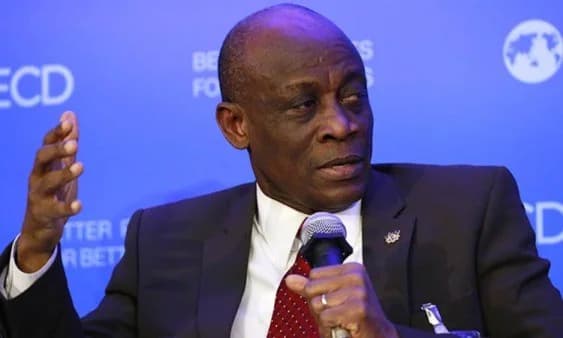
The Bank of Ghana (BoG) has reported a significant operating loss of GH¢15.6 billion for the 2025 financial year, a sharp increase from the GH¢9.4 billion loss recorded in 2024. In response to these figures, Seth Terkper, former Finance Minister and current economic advisor to President John Mahama, has reaffirmed a commitment to rigorous fiscal discipline and a strategic recapitalization plan. This framework is designed to restore the central bank's financial health and total equity by 2032, ensuring the institution remains capable of driving effective monetary policy and maintaining currency stability despite its current fiscal strain.
A detailed analysis of the BoG’s financial statements reveals that while the losses have sparked intense public debate, claims of financial concealment have been found to be false. The reported GH¢15.6 billion loss is attributed to a combination of operational costs and non-cash elements, including the impact of the Domestic Debt Exchange Programme (DDEP), which resulted in more than GH¢12 billion in foregone interest income. While the bank's total assets grew to GH¢237 billion, liabilities surged to GH¢333 billion, resulting in a worsening negative equity position of GH¢93.82 billion. Experts note that the appreciation of the cedi also played a role in the non-cash components of the comprehensive income report.
Beyond internal banking reforms, Terkper highlighted the pivotal role of gold sector clean-ups in stabilizing the broader economy. He defended recent reforms in gold marketing, asserting that these measures have strengthened Ghana’s external reserves and provided a critical buffer for the cedi. By sanitizing the trade and enhancing oversight, the government aims to leverage gold as a strategic asset against reserve currencies like the US dollar. Terkper noted that these interventions were necessary to correct historical failures where Ghana’s gold production often benefited foreign economies rather than the national treasury.
Addressing the historical context of these economic pressures, Terkper emphasized that early fiscal interventions were vital to preventing a total collapse of confidence in Ghana’s debt market. He characterized the economic landscape inherited by the administration as distressed, marked by junk-rated bonds and high inflation. Moving forward, the government intends to maintain tough monetary policy measures to curb inflation and stabilize the economy. The focus remains on adhering to the Bank of Ghana Amendment Act 1158, with the recovery plan centered on restoring the balance sheet to support long-term national growth.
This story touches markets covered on Anansi Intelligence ↗.
Related topic
John Mahama: Latest News & Updates →Live rates
Bank of Ghana policy rate →More from business
Continue exploring similar stories

