••
Bank of Ghana Aggressively Defends Cedi with GH¢11.28 Billion Liquidity Mop-Up and $14 Billion Reserve Buffer
•2 min read•7 sources
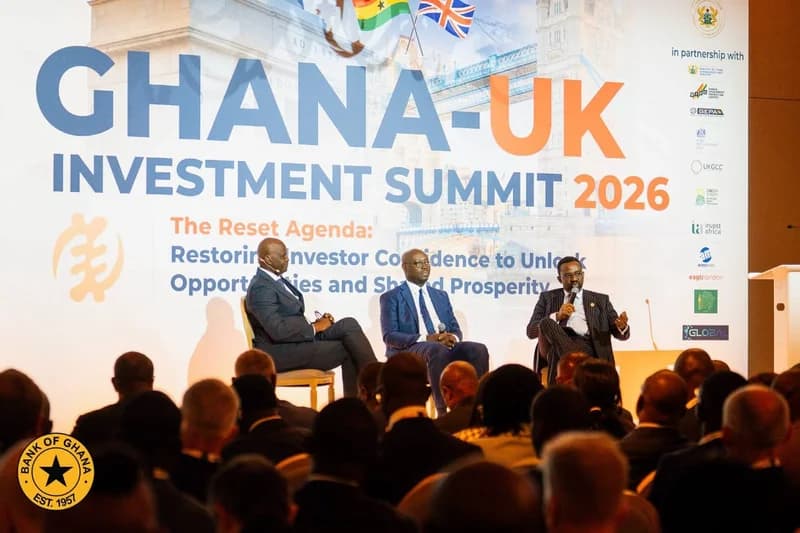
The Bank of Ghana (BoG) has launched a multi-pronged strategy to stabilize the national economy following a challenging month for the cedi. In May 2026, the local currency depreciated by approximately 4.6% against the US dollar, slipping from GH¢11.19 to a closing rate of GH¢11.73. To counter this trend and manage rising inflationary pressures, the central bank has intensified its market interventions, combining aggressive liquidity management with substantial foreign exchange auctions. The BoG recently withdrew GH¢11.28 billion from the banking sector through a 14-day bill auction, a move designed to prevent excess liquidity from further fueling inflation, which edged up from 3.4% to 3.7% in May.
To directly support the cedi, the central bank has significantly increased the volume of its foreign exchange interventions. Following reports that the currency is under heavy demand, the BoG injected liquidity into the market through a $160 million auction on June 2, followed by an even larger $300 million offering. Market analysts suggest these interventions are crucial to slowing the cedi's depreciation. Governor Dr. Johnson Asiama expressed strong confidence in the country's macroeconomic resilience, noting that international reserves have been bolstered to over $14 billion as of May 2026. This significant buffer is intended to protect the economy against external shocks, particularly volatile global oil prices, which have historically pressured Ghana’s foreign exchange position.
While addressing short-term volatility, the central bank is also maintaining a broader focus on structural economic transformation and long-term stability. The BoG has kept its policy rate at 14% to balance economic growth with price stability, though officials warned they are prepared to take further action if inflation trends toward double digits by the end of the year. Beyond immediate crisis management, Governor Asiama continues to champion a vision of transforming Ghana into the "Singapore of Africa" by establishing the country as an International Financial Services Centre. This long-term strategy relies on domestic private capital reforms, the mobilization of local pension funds, and the creation of a competitive investment ecosystem to ensure that Ghana emerges as a regional financial hub within the coming years.
This story touches markets covered on Anansi Intelligence ↗.
Live rates
Bank of Ghana policy rate →More from business
Continue exploring similar stories


