••
Alban Bagbin Leads Push for Direct ECOWAS Elections as Ghana Bolsters Regional Integration and Security Frameworks
•3 min read•18 sources
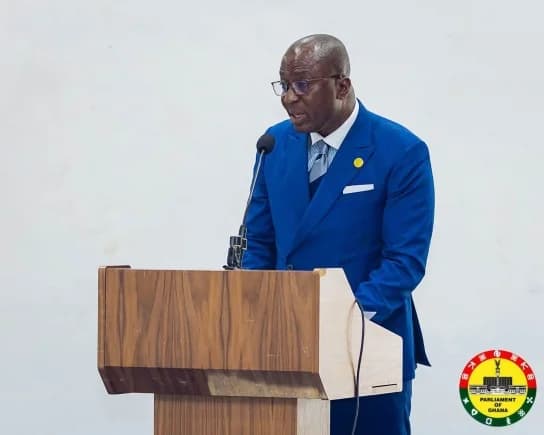
Speaker of Parliament Alban Sumana Kingsford Bagbin has called for a fundamental shift in West African governance, advocating for the direct election of members to the ECOWAS Parliament. Speaking at the 2026 Second Extraordinary Session of the ECOWAS Parliament in Accra, Bagbin asserted that moving away from the current system of appointment by national legislatures would strengthen democratic legitimacy and bridge the gap between regional institutions and the citizens they serve. This proposal was echoed by Second Deputy Speaker Andrew Amoako Asiamah and George Kweku Ricketts-Hagan, who emphasized that direct representation is essential for fostering true public engagement in the regional integration process.
The session also marked a significant transition in Ghana’s regional leadership as Minority Leader Alexander Afenyo-Markin officially handed over the leadership of Ghana’s delegation to the ECOWAS Parliament to Deputy Majority Leader George Kweku Ricketts-Hagan. Afenyo-Markin, who will remain a member of the delegation until 2028, called for a "people-centered" approach to integration, ensuring that regional cooperation translates into tangible opportunities for youth and seamless cross-border movement. This leadership transition occurs at a strategic moment for Ghana, as President John Mahama is positioned to chair the African Union in 2027, creating a unique opportunity for Ghana to align its national interests with broader continental and regional goals.
Parallel to these political reforms, Ghana is intensifying security cooperation with Benin, C"ote d’Ivoire, and Togo to combat transnational organized crime. Through the European Union-funded SHIFT Project, which operates with a €7.3 million budget through 2029, these nations are enhancing intelligence sharing and operational coordination. A key component of this initiative is the West African Police Information System (WAPIS), designed to facilitate the exchange of data among law enforcement agencies to tackle trafficking, smuggling, and terrorism across porous borders. Officials emphasized that robust frameworks and community engagement are vital for effective border management in the face of rising insecurity.
Complementing the calls for legislative and security reforms, Prof. Ernest Kofi Abotsi, Dean of the UPSA Law School, has advocated for a more accessible and independent ECOWAS Court of Justice. During a conference in Dakar, Prof. Abotsi urged the Court to define clearer jurisdictional boundaries to reduce resistance from member states and ensure that regional justice is relevant to citizens facing contemporary challenges like migration and environmental degradation. He stressed that the enforcement of the Court’s orders is critical to the rule of law in West Africa, calling for a sustainable relationship between the judiciary and national governments.
The current regional dialogue is increasingly focused on the interconnected threats of climate change, environmental degradation, and population displacement. Leaders at the Accra session highlighted these factors as primary drivers of insecurity in the ECOWAS region, necessitating a unified legislative response. As Ghana assumes a more prominent role in regional and continental leadership under President Mahama, the emphasis remains on moving beyond formal agreements to ensure that integration provides security, justice, and economic benefits to the everyday citizens of West Africa.
Related topic
John Mahama: Latest News & Updates →

