••
Speaker Bagbin and Vice-President Opoku-Agyemang Lead Reform Advocacy at ECOWAS Parliament Session
•2 min read•17 sources
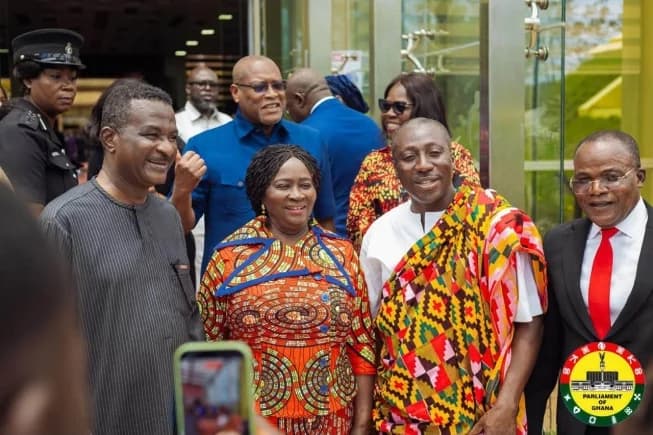
During the Second Extraordinary Session of the ECOWAS Parliament in Accra, Speaker of Ghana's Parliament Alban Sumana Kingsford Bagbin made a landmark call for the direct election of members to the regional legislative body. This proposal, aimed at enhancing democratic participation for over 400 million West Africans, served as a cornerstone of the week-long summit held from September 21 to 27, 2026. Vice-President Professor Naana Jane Opoku-Agyemang bolstered the session's agenda by urging member states to address youth exclusion and unemployment as critical measures against regional extremism. Speaker Bagbin, in a speech delivered by Second Deputy Speaker Andrew Amoako Asiamah, argued that transitioning from national nominations to direct elections would strengthen the legitimacy and authority of the ECOWAS Parliament. By allowing citizens to directly choose their representatives, the institution can bridge the current gap between regional governance and the people it serves. This sentiment was echoed during a leadership transition within the Ghanaian delegation, where Alexander Afenyo-Markin officially handed over his leadership role to Kwaku George Ricketts-Hagan. Afenyo-Markin, who continues to serve as the Third Deputy Speaker of the ECOWAS Parliament, expressed full confidence in Ricketts-Hagan’s ability to promote regional integration. The session also centered on the dual threats of climate change and environmental degradation. ECOWAS Parliament Speaker Hadja Mémounatou Ibrahima emphasized the urgency of collective action to transform environmental challenges into opportunities for growth. Recommendations from the seminar included the establishment of a Regional Climate Resilience Fund and the enhancement of early-warning systems. However, Sierra Leone’s Minority Leader raised concerns regarding global climate finance, criticizing the excessive bureaucracy that prevents vulnerable nations from accessing the funds necessary to mitigate disaster risks. Expanding on the security dimension, Vice-President Opoku-Agyemang highlighted the link between environmental degradation and socio-economic vulnerability. She cautioned that failing to provide education and economic opportunities to the youth creates a vacuum easily filled by criminal and extremist groups. The session concluded with a call for structural reforms that align with the ECOWAS Vision 2050, emphasizing that regional stability depends on a unified West African voice in global negotiations and the effective implementation of disaster risk frameworks across all member states.

