••
Ghanaian Leaders Advocate for African Linguistic Representation in AI and Historical Ownership to Drive Educational Progress
•3 min read•6 sources
Ghanaian educational and cultural leaders are intensifying calls for the inclusion of African perspectives in global technology and historical narratives to ensure a more equitable future. Leading this charge, Professor Nana Aba Appiah Amfo, Vice Chancellor of the University of Ghana, recently delivered the Fifth Warwick Distinguished Africa Lecture, where she warned that the global AI revolution risks leaving Africa behind if its diverse linguistic landscape is ignored. With over 2,000 languages across the continent, Professor Amfo argued that the current underrepresentation of African data leads to biased systems dominated by Western frameworks. She emphasized that AI's struggle with these languages stems from a lack of proactive data inclusion rather than inherent complexity, calling for the implementation of Ghana’s National AI Strategy to shape technologies that reflect local knowledge and values.
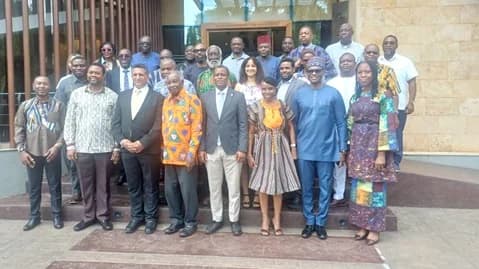
Complementing this push for digital representation, Professor Osman Tahidu Damba of the Ghana Commission for UNESCO has underscored the necessity for Africans to own their historical narratives. Speaking at a workshop for the Encyclopaedia Africana in the Eastern Region, Prof. Damba highlighted that documenting the continent's achievements in science, technology, and culture from an African perspective is vital to addressing historical inaccuracies and safeguarding intellectual heritage. This initiative aims to provide future generations with a comprehensive and authentic record of African contributions, ensuring that the continent's story is told by its own people rather than external observers.
At the community level, these high-level advocacy efforts are being mirrored by practical investments in digital literacy. Togbe Kofi Dunenyo, the Development Chief of Frankadua (also known as Mr. Jonathan Kofi Reynolds), recently commissioned a modern ICT laboratory at the Frankadua E.P. Primary School. Supported by Team CSR Ghana, the facility is equipped with computers designed to enhance students' critical thinking and digital skills. This project is part of a broader socio-economic development plan for the area, which has previously seen the installation of mechanized boreholes and modern sanitation facilities, demonstrating how local leadership can bridge the digital divide at the grassroots level.
The synthesis of these initiatives highlights a multi-faceted approach to African development that spans from local infrastructure to global policy advocacy. Guest speakers such as Dr. Nana Kweku Nduom have urged the Ghanaian diaspora to support these local projects, reinforcing the idea that sustainable progress requires contributions from all stakeholders. By combining advanced digital literacy through modern ICT labs with the preservation of linguistic and historical identity, Ghana is positioning itself to not only participate in the global digital economy but to help redefine it on its own terms.
This story touches markets covered on Anansi Intelligence ↗.
More from education
Continue exploring similar stories


