••
Advocates Push for Enhanced Support Systems and Health Education for Ghanaian Girls and Women
•2 min read•3 sources
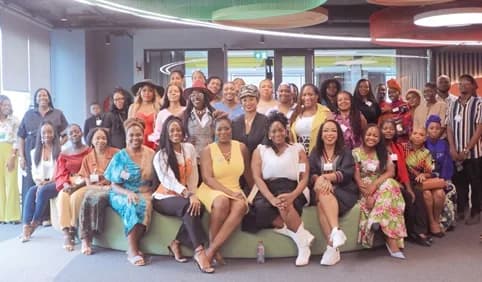
Across Ghana, educators and corporate leaders are calling for a more robust support system to empower females throughout their educational and professional journeys. From the Nkontompo AME Zion School to high-level summits in Accra, the conversation has shifted toward addressing the unique biological and societal challenges girls and women face. These recent initiatives emphasize that for women to thrive in leadership and for girls to stay in school, institutions must provide better health education, workplace flexibility, and societal recognition of their dual roles in family and career.
At the Nkontompo AME Zion School, the Equibloom Foundation led a vital educational program as part of World Menstrual Hygiene Day celebrations. Founder Ursula Adadzewa Fynn highlighted the significant hurdles girls face regarding menstruation, which often lead to missed school days and health complications. Students were educated on proper hygiene practices, the debunking of common myths, and the importance of health awareness. To reinforce these lessons, the foundation and its partners provided sanitary pads and pledge cards, aiming to promote dignity and ensure that biological cycles do not become a barrier to a girl's education.
This theme of addressing biological realities extended into the professional realm at the 'Women Who Build' Summit in Accra. Panellists, including Baaba Cofie and Edwards Day-Antwi, urged for a shift in workplace culture to accommodate the biological and domestic demands placed on women. They pointed out that the lack of affordable childcare and rigid corporate structures often force women to choose between their ambitions and their families. The summit served as a platform to challenge societal norms that pressure women to downplay their accomplishments, advocating instead for environments that celebrate and support female leadership.
Adding a personal perspective to these calls for change, Akosua Ago Aboagye, General Manager of Sompa FM, shared her experiences at the 'Convergence of Mothers' event. Highlighting the critical role of empathetic leadership, she credited her professional survival and academic progression to a supportive employer who recognized her needs as a new mother. Her story underscores the broader consensus that empowering women is not just a social duty but a collective responsibility of employers and educational institutions alike. By integrating comprehensive health education with institutional support, Ghana can create a more inclusive environment for the next generation of female leaders.
This story touches markets covered on Anansi Intelligence ↗.
More from education
Continue exploring similar stories


