••
Ghana's Energy Sector Faces Dual Crisis: Akosombo Fire Halts Exports as Ghana Gas Seeks Tariff Hikes
•3 min read•10 sources
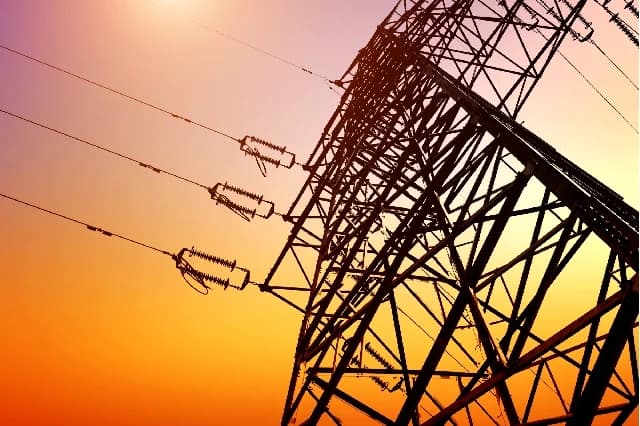
Ghana’s energy sector is grappling with a dual challenge of infrastructure vulnerability and financial strain following a major fire at the Akosombo Dam substation and an urgent call for tariff adjustments from the Ghana National Gas Company. On April 23, 2026, a significant blaze at the Akosombo switchyard removed nearly 1,000 megawatts (MW) from the national grid, prompting the Ministry of Energy and Green Transition to suspend all electricity exports to stabilize domestic supply. Simultaneously, Judith Adjobah Blay, CEO of Ghana Gas, has warned that the nation’s gas infrastructure faces potential collapse unless the Public Utilities Regulatory Commission (PURC) approves higher transmission tariffs to cover escalating maintenance and operational costs.
The incident at Akosombo has severely impacted the country’s power generation capacity, with losses estimated between 720 MW and 1,000 MW. Ministry spokesperson Richmond Rockson announced that while full restoration could take up to five days, engineers are working around the clock to bring the first of six generating units back online within 24 hours. To mitigate the deficit, the government has redirected all generated power to meet domestic demand, acknowledging a critical lack of reserve margins in the current system. Investigations are currently underway to determine the cause of the fire, which triggered emergency shutdowns to protect the integrity of the national grid.
Adding to the sector's complexities, Ghana Gas is pushing for an upward tariff review to ensure the long-term viability of the Atuabo Gas Processing Plant. During an inspection by the Parliamentary Select Committee on Energy, CEO Judith Adjobah Blay emphasized that the current tariff structure is insufficient to fund essential upgrades and expansion projects. She cautioned that the financial shortfall threatens the reliability of the gas supply chain, which is vital for thermal power generation. According to Blay, the economic consequences of potential infrastructure failure or unplanned shutdowns would far outweigh the impact of a modest tariff increase on industrial and domestic consumers.
These developments highlight the urgent need for structural and financial reforms within Ghana's energy landscape to ensure long-term independence and stability. In response to the grid’s vulnerabilities, the Ministry of Energy has unveiled plans to add 1,200 MW of conventional power and 200 MW of solar capacity, alongside new reserve projects to prevent future disruptions. Meanwhile, the Parliamentary Select Committee is expected to mediate discussions between Ghana Gas, the PURC, and the Ministry of Energy regarding the proposed tariff adjustments. The outcome of these negotiations and the speed of the Akosombo repairs will be pivotal in determining Ghana's industrial productivity and energy security over the coming decade.
This story touches markets covered on Anansi Intelligence ↗.
More from business
Continue exploring similar stories

