••
Continental Roundup: Security Crises, Economic Integration, and Emerging Humanitarian Concerns Across Africa
•3 min read•14 sources
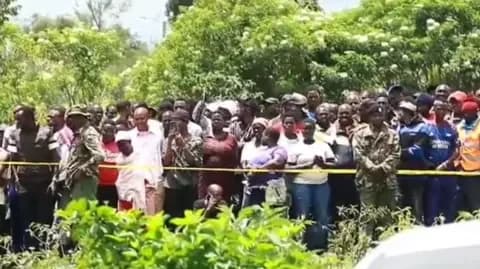
Africa is currently navigating a series of grave humanitarian and security challenges, ranging from the discovery of mass graves to the exploitation of citizens in foreign conflicts. In Kenya, authorities have unearthed a mass grave in Kericho containing 32 bodies, 25 of whom were infants or fetuses, sparking an investigation into potential hospital involvement and cult activity. Simultaneously, the impact of the Russia-Ukraine war is being felt across the continent as Zimbabwe reports that 15 of its citizens have died after being lured by deceptive recruitment schemes to fight for Russia. Information Minister Soda Zhemu described these incidents as a "scheme of deception and exploitation," with estimates from Ukraine suggesting nearly 4,000 Africans from 36 countries have been recruited into the conflict, with over 60 Zimbabweans still trapped on the frontlines.
The security landscape is further complicated by internal strife in West and Central Africa. In Nigeria’s Kebbi state, gunmen recently killed nine soldiers and injured several others, highlighting the persistent threat from armed gangs and Islamist militants near the borders of Benin and Niger. In the Democratic Republic of the Congo (DRC), media freedom is under siege as Reporters Without Borders (RSF) warns of escalating violence against journalists. Since the M23 rebel group captured key eastern cities, media workers have faced arrests, censorship, and reprisals from both rebels and government forces. Over 500 journalists have been detained in the DRC over the last decade, with dozens forced to flee their homes to escape the worsening conflict.
Amidst these security concerns, African nations are grappling with severe energy shortages and a renewed push for economic reform. South Sudan and Mauritius have implemented electricity rationing and consumption restrictions following a fuel crisis exacerbated by international tensions. While Mauritius faces an energy emergency with only 21 days of oil stock remaining, nations like Zimbabwe and Kenya are adjusting fuel policies to stabilize supplies. On the economic front, leaders at the FEWACCI Summit and the GEXIM Bank international conference have called for deeper integration through the African Continental Free Trade Area (AfCFTA). Experts emphasize that overcoming logistical bottlenecks and harmonizing trade standards are essential for small and medium enterprises (SMEs) to harness the benefits of a unified African market and boost global competitiveness.
On a more collaborative note, international partnerships continue to evolve, exemplified by the swearing-in of 29 new Peace Corps volunteers in Ghana. These volunteers will spend two years supporting local communities in agriculture, health, and education, marking 65 years of cooperation between the U.S. and Ghana. However, the sports world faces its own turmoil as investigative journalist Romain Molina alleges "external interference" and "secret meetings" influenced a Confederation of African Football (CAF) ruling regarding the 2025 Africa Cup of Nations (AFCON). The dispute between Morocco and Senegal, which has now escalated to the Court of Arbitration for Sport, raises significant questions about transparency and procedural fairness within the continent's football governing body, reflecting a broader need for accountability across various sectors of African governance.
This story touches markets covered on Anansi Intelligence ↗.
More from africa
Continue exploring similar stories


