••
NAFCO CEO George Abradu-Otoo Calls for ¢1.5 Billion Investment to Secure Ghana’s National Food Reserves
•2 min read•5 sources
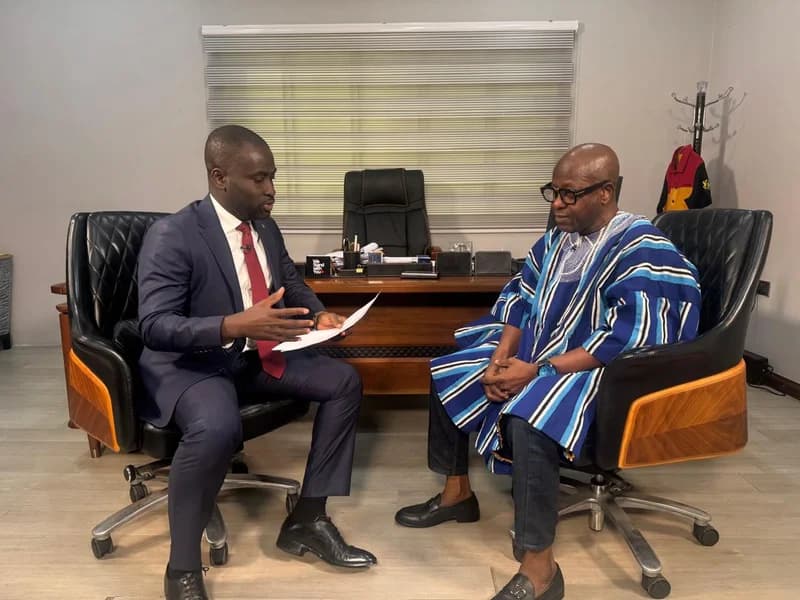
George Abradu-Otoo, the Chief Executive Officer of the National Food Buffer Stock Company (NAFCO), has highlighted a significant funding gap in Ghana's quest for food security. While welcoming the government's recent allocation of ¢300 million to establish a national grain reserve, Abradu-Otoo stated that at least ¢1.5 billion is required to build a truly robust and effective system. This initial investment marks a critical turning point in agricultural policy, yet the CEO maintains that the current funds are insufficient for the large-scale procurement of surplus grains needed to protect the nation against future shocks. Historically, Ghana has stood out as the only country in West Africa without a formal national food reserve system. Neighboring nations have long utilized such reserves to mitigate food supply issues and stabilize markets. Abradu-Otoo characterized the government's ¢300 million commitment as an unprecedented shift that signals a new era for food security, even if the amount falls short of the ideal target. He emphasized that while this funding has initiated progress and allowed for some procurement activities, the scale of investment must increase to match the regional standard and effectively manage the country’s agricultural output. The primary goals of the expanded reserve system are to reduce post-harvest losses and stabilize grain prices during bumper harvest seasons. By having the capacity to purchase and store significant quantities of surplus grains, NAFCO aims to support local farmers by ensuring they have a reliable buyer, thereby preventing a collapse in prices when supply is high. This mechanism is intended to create a more resilient agricultural market, making Ghana better prepared for potential food shortages and production shocks that have previously left the domestic market vulnerable to price volatility. Looking forward, the NAFCO boss stressed that continuous and substantial investment is essential to transform this initial step into a sustainable pillar of the national economy. The transition from the current allocation to the required ¢1.5 billion will be critical for achieving long-term food security. He urged for continuous investment to strengthen the newly formed system, ensuring that Ghana can finally match its regional peers in managing strategic food reserves and supporting its agricultural sector against future uncertainties.
This story touches markets covered on Anansi Intelligence ↗.
More from business
Continue exploring similar stories

