••
Let Love Lead NGO, Zoomlion, and NADMO Spearhead Nationwide Sanitation and Dredging Campaigns to Mitigate Flood Risks
•3 min read•5 sources
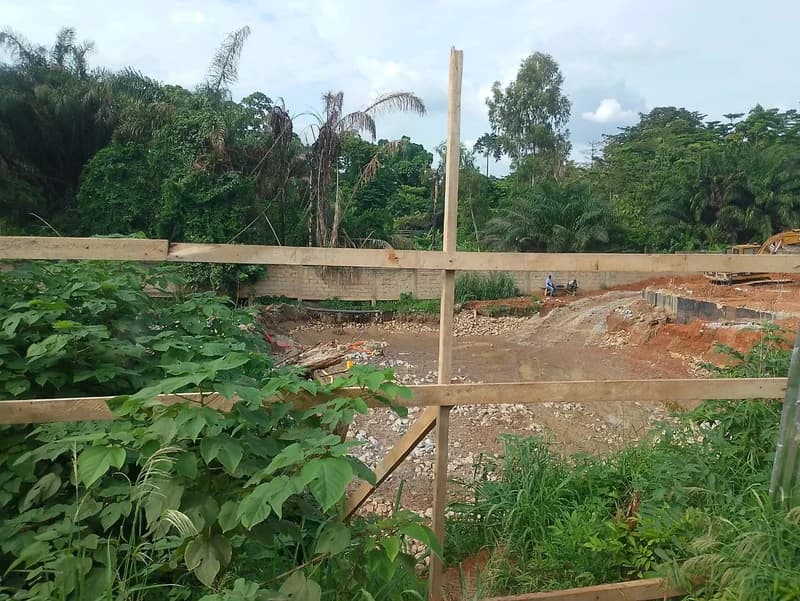
In a coordinated push to address Ghana's perennial flooding challenges, various stakeholders including non-governmental organizations, private waste management firms, and state agencies have intensified sanitation and desilting operations across the country. From a massive volunteer mobilization in Nima to critical dredging works at the Kwame Nkrumah University of Science and Technology (KNUST), these initiatives aim to safeguard communities against heavy seasonal rains. The efforts come as a direct response to the devastating history of flood-related disasters in urban centers, emphasizing a shift toward proactive environmental management and community-led action.
Leading the community-led interventions, Let Love Lead NGO successfully organized its 4th Annual Sanitation Drive, mobilizing nearly 3,000 volunteers for its largest effort to date. The exercise focused on clearing the drainage corridor from the Nima-Mamobi Gutter to the Paloma Hotel, an area often hit hard by seasonal flooding. The drive served as a solemn commemoration of the June 3rd disaster, with founder Dawood Akwesi Agyemang, known as Big Dawood, emphasizing that grassroots involvement is essential to tackling Accra's waste management crisis. The event attracted various dignitaries and community leaders, signaling a growing national recognition of the importance of fostering environmental responsibility.
Simultaneously, the "Clean Up Accra" campaign, a collaborative effort involving Zoomlion Ghana Limited, Channel One TV, and the Ghana Police Service, entered its fourth consecutive day of operations. Despite persistent rainfall, teams focused their energy on desilting heavily clogged drains in Pig Farm and surrounding flood-prone neighborhoods. This initiative combines active waste removal with public education on proper disposal habits to ensure a healthier urban environment. Security personnel have been deployed to ensure order during these operations, which are scheduled to expand to other municipalities to ensure the capital's drainage infrastructure is prepared for peak rainfall.
In the Ashanti Region, the National Disaster Management Organisation (NADMO) and KNUST authorities have commenced urgent dredging of the Wewe River following severe campus flooding. Preliminary assessments by NADMO identified human encroachment on wetlands and the blockage of natural streams as primary drivers of the recent inundation. Prof. Divine Ahadzie, a lecturer at KNUST, cautioned that the destruction of natural floodplains has left urban areas vulnerable, as these spaces historically acted as natural buffers for excess water. The ongoing dredging aims to restore the river's capacity and improve water flow to prevent future disruptions to academic and residential life.
These collective actions highlight a multi-faceted approach to urban resilience in Ghana, blending large-scale volunteerism with institutional engineering and policy enforcement. While the immediate focus remains on clearing debris and restoring drainage capacity, the recurring nature of these flooding events points to a need for stricter urban planning and more consistent maintenance schedules. As these campaigns conclude and move into new phases, the overarching goal remains the transition from emergency response to a long-term culture of environmental stewardship to prevent the tragic loss of life and property.
This story touches markets covered on Anansi Intelligence ↗.
More from africa
Continue exploring similar stories


