••
Zoomlion and NADMO Lead Multi-Sectoral Drive to Tackle Accra’s Chronic Flooding and Sanitation Crisis
•3 min read•11 sources
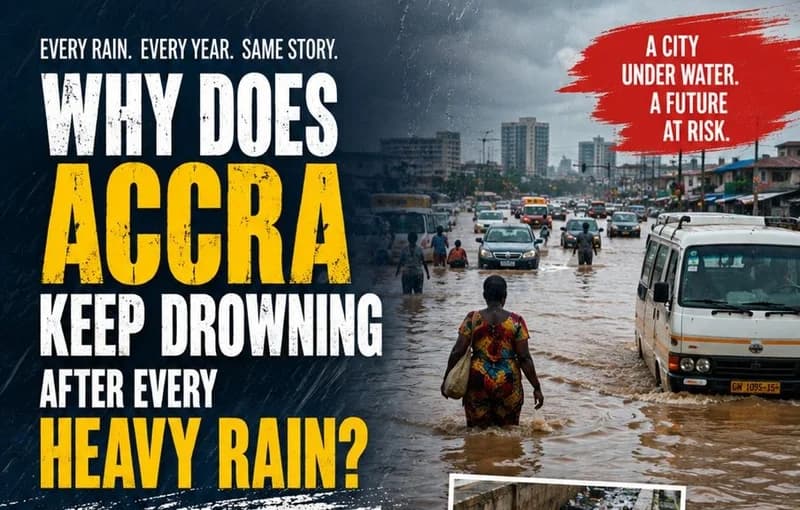
In a decisive move to mitigate the recurring threat of flooding in the Greater Accra Region, Zoomlion Ghana Limited has partnered with the National Disaster Management Organisation (NADMO) and various Municipal, Metropolitan, and District Assemblies (MMDAs) to deploy monitoring officers across the capital. This initiative follows intensive cleanup operations conducted between June 10 and June 12, which focused on desilting major drainage channels to ensure the free flow of rainwater. The collaborative effort, which includes partners like FeDEMS Group Ltd and Dredge Masters, aims to shift from reactive disaster management to a sustainable, proactive monitoring system to protect lives and property as the rainy season intensifies.
Enforcement has become a central pillar of this campaign, as seen in the recent demolition of illegal structures at the Agbogbloshie Onion Market. Led by the Ablekuma Central Municipal Assembly with support from the military and police, the operation cleared encroachments that had blocked critical waterways. Municipal Chief Executive Frank Nkansah emphasized that such enforcement is necessary to prevent residents from rebuilding on sites that jeopardize the city's drainage capacity. Complementing these physical interventions, Zoomlion’s Regional Manager, Ricky Anokye Frimpong, has called for the urgent reinstatement of public waste bins across the region to discourage the widespread littering that frequently clogs gutters and exacerbates flood risks.
Beyond immediate cleanup efforts, the Environmental Service Providers Association (ESPA) is pushing for systemic reforms to transform Ghana’s sanitation sector. During a stakeholder dialogue, ESPA President Dr. Joseph Siaw Agyepong highlighted the financial strain on private waste management companies, citing unpaid government debts and high interest rates on bank loans. The association is advocating for government tax waivers on sanitation machinery to enhance service delivery. Dr. Agyepong stressed that while service providers are committed to transforming waste into wealth, the success of these initiatives hinges on a fundamental shift in public attitudes toward waste disposal and stronger government support for infrastructure maintenance.
This renewed focus on sanitation and flood prevention arrives against the backdrop of historical tragedies, most notably the devastating June 3, 2015, flood and fire disaster that claimed over 150 lives. Analysts and city officials agree that Accra’s persistent flooding is a result of rapid urbanization, inadequate infrastructure, and the mounting pressures of climate change. The current strategy, which includes the ‘No Do No Do’ awareness campaign and scheduled quarterly drainage maintenance, seeks to address these systemic failures. For these efforts to be successful in the long term, stakeholders maintain that a collective commitment—combining strict regulatory enforcement, sustainable urban planning, and responsible citizenship—is essential to building a resilient capital.
This story touches markets covered on Anansi Intelligence ↗.
More from africa
Continue exploring similar stories


