••
Solar-Powered Gardens Provide Critical Lifeline for Drought-Hit Farmers in Zimbabwe
•2 min read•1 source
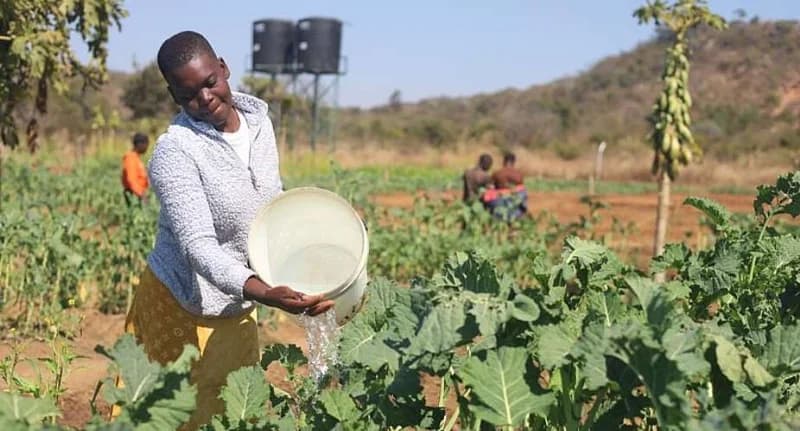
In the face of intensifying climate change and recurring droughts, the Mutekwatekwa Community Garden in Chitiyo village, Zimbabwe, has emerged as a vital model for agricultural resilience. Established in 2023, the initiative leverages a solar-powered borehole to provide consistent irrigation, allowing rural farmers to break free from the limitations of rain-fed agriculture. This technological intervention is proving essential as Zimbabwe grapples with unpredictable weather patterns that have historically threatened the livelihoods of smallholder farmers across the region.
For Berita Numbi and 49 other farmers participating in the project, the garden represents more than just a source of food; it is a stable economic engine. By cultivating a variety of vegetables year-round, these farmers have secured a reliable income stream that was previously non-existent during the dry seasons. Numbi highlights that the profits generated from their harvest are instrumental in purchasing staple grains and ensuring that children in the community can attend school, effectively bridging the gap between subsistence and sustainable living.
The project’s success is rooted in a collaborative framework involving non-governmental organizations (NGOs) and local community members. While the infrastructure was initially funded through external support, the long-term goal is total community-led sustainability. This objective has become increasingly urgent following recent reductions in foreign aid to the region. By utilizing solar energy, the garden avoids the high costs and logistical hurdles associated with fuel-based generators or traditional power grids, making it a cost-effective solution for remote rural settings.
Ultimately, the Mutekwatekwa Community Garden is a microcosm of Zimbabwe’s broader national strategy to enhance food security and agricultural productivity. As the government seeks ways to bolster rural economies, such solar-powered initiatives offer a blueprint for climate adaptation. By integrating renewable energy with community-driven farming, Zimbabwe is laying the groundwork for a more resilient agricultural sector capable of withstanding the environmental challenges of the 21st century.
This story touches markets covered on Anansi Intelligence ↗.
More from africa
Continue exploring similar stories


