••
Zimbabwean Migrants Seek Refuge at Beitbridge After Fleeing Xenophobic Violence in South Africa
•2 min read•1 source
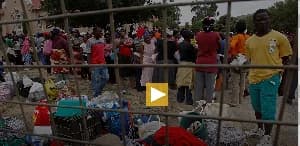
A significant wave of Zimbabwean nationals has begun arriving at the Beitbridge border post, seeking refuge in their home country following a resurgence of xenophobic tensions in South Africa. The reception center at the border has become a focal point for hundreds of returnees who describe a deteriorating security situation characterized by targeted attacks against foreigners. These individuals are fleeing an environment of increasing hostility, where anti-immigrant sentiment has escalated into physical confrontations and systemic displacement. The testimonies from those arriving at the border are harrowing, with many reporting that they were victims of brutal assaults and organized robberies. Beyond physical violence, many returnees have shared stories of being forcibly evicted from their residences and losing their livelihoods after being driven away from their places of employment. The suddenness of these displacements has left many families with nothing but the clothes on their backs, having been forced to abandon their possessions and savings in the wake of the unrest. In response to the humanitarian needs of the returnees, aid workers and government officials have established a comprehensive support system at the Beitbridge reception center. Medical teams are currently on the ground to provide urgent care to those who sustained injuries during the attacks, while other organizations are offering food and temporary shelter. A critical component of the relief effort involves the provision of transportation, as many returnees lack the financial means to travel from the border to their final destinations in various parts of Zimbabwe. This latest exodus underscores the precarious position of migrant communities in Southern Africa and the ongoing challenges of regional migration management. While the immediate focus remains on providing relief and ensuring the safety of those returning, the situation raises significant questions about the long-term stability of the region and the protection of human rights for foreign nationals. The Zimbabwean government faces the additional task of reintegrating these citizens into an economy that is already under significant pressure, even as calls grow for South African authorities to address the root causes of the recurring violence.
This story touches markets covered on Anansi Intelligence ↗.
More from africa
Continue exploring similar stories


