••
Ghana’s Expanding Diplomatic Influence: Historic Pan-African Appointments and Vigorous Citizen Advocacy
•3 min read•27 sources
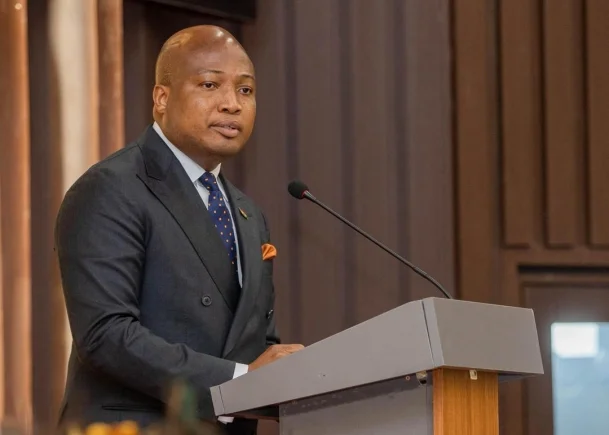
Ghana has significantly bolstered its leadership on the continental stage through several historic appointments and a more assertive foreign policy. Dr. Zanetor Agyeman-Rawlings, Member of Parliament for Klottey Korle, achieved a milestone by being elected the Second Vice President of the Pan-African Parliament in Johannesburg, receiving 131 votes to 51. She is the first female representative from the West African Caucus to hold this prestigious position, a move expected to enhance Ghana’s influence in regional governance and democratic integration. Similarly, United Nations Secretary-General António Guterres has appointed Ghanaian Anita Kiki Gbeho as the new Special Representative and Head of the United Nations Mission in South Sudan (UNMISS), leveraging her 25 years of experience in conflict resolution and international relations to lead one of the UN’s most critical missions.
While celebrating these leadership gains, Ghana has also adopted a firmer stance on the protection of its citizens abroad, particularly in South Africa. High Commissioner Benjamin Quarshie recently addressed concerns regarding xenophobic attacks, clarifying that while recent reports of specific killings were debunked—such as a man in East London who was actually a victim of armed robbery—Ghana will no longer tolerate the dismissal of cases involving its citizens. The Minority in Parliament has amplified these concerns, urging the Ministry of Foreign Affairs to issue a travel advisory for South Africa and calling for high-level talks between President Nana Akufo-Addo and President Cyril Ramaphosa to ensure the safety of Ghanaian businesses and nationals amid rising insecurity.
On the global stage, Ghana is positioning itself as a central hub for discussions on justice and transparency. The country is set to host a high-level consultative conference on reparatory justice in June 2026, with the European Union pledging its constructive participation. Samuel Okudzeto Ablakwa, speaking on the reparative justice movement, emphasized that the agenda is focused on healing and restoring dignity rather than purely financial gain, commending nations like the Netherlands for acknowledging historical injustices. Furthermore, Ghana confirmed its active participation in the upcoming African Open Government Conference in Rabat, Morocco, where it aims to share digital transformation strategies to combat corruption and foster parliamentary openness.
These diplomatic strides occur against a backdrop of increasing regional volatility and shifting alliances across the continent. The recent assassination of Mali’s Defence Minister, Sadio Camara, by jihadist militants has prompted security experts to warn of a potential domino effect of violence reaching Nigeria and wider West Africa, necessitating improved regional intelligence. Simultaneously, French President Emmanuel Macron is pivoting toward partnerships with English-speaking nations like Kenya as France faces diminishing influence and rising anti-French sentiment in its traditional West African spheres. As regional powers navigate these changes, Ghana’s dual focus on continental leadership and the rigorous defense of its sovereign interests marks a new chapter in its international relations strategy.
This story touches markets covered on Anansi Intelligence ↗.
More from politics
Continue exploring similar stories


