••
Zambia Waives Import Duties on Ghanaian Fugu for Personal Use Following Presidential Visit
•2 min read•4 sources
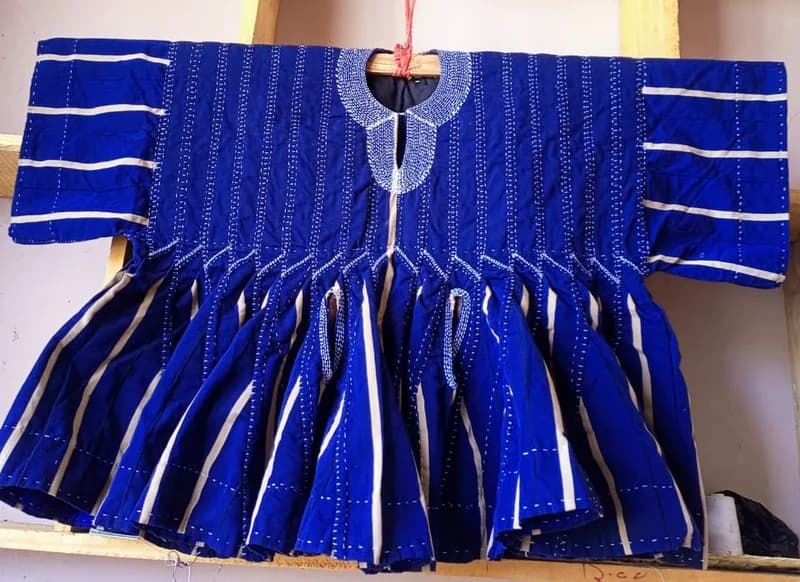
The Zambia Revenue Authority (ZRA) has officially clarified the tax status of the 'fugu', a traditional hand-woven smock from northern Ghana, following a wave of interest sparked by a high-profile state visit. During a visit to Zambia on February 6, 2026, Ghanaian President John Dramani Mahama and his delegation showcased the attire, which quickly became a sensation on social media. The buzz surrounding the garment even drew playful commentary and admiration from Zambian President Hakainde Hichilema, prompting the ZRA to address public inquiries regarding the cost of importing these garments into the country.
Under the newly clarified regulations, the ZRA confirmed that individuals importing a single fugu for personal use will be exempt from import duties. However, the authority emphasized that the exemption does not apply to commercial quantities; importers bringing in multiple units intended for resale will still be subject to standard taxation. This distinction aims to balance the growing public demand for Ghanaian textiles with the need to maintain trade regulations. The decision has been met with approval from fashion enthusiasts and cultural observers who see it as a practical response to the sudden 'fugu fever' that has gripped the Zambian capital and online spaces.
Beyond the tax implications, the popularity of the fugu has ignited a deeper conversation about cultural heritage and the burgeoning fashion industry in Southern Africa. In Ghana, the fugu is more than just clothing; it is a symbol of leadership, resilience, and historical significance. Its reception in Zambia has already begun to influence the local creative economy, with Zambian designers reportedly exploring ways to adapt the fugu's unique aesthetic into their own collections. This cross-cultural exchange highlights the power of fashion as a tool for soft diplomacy and cultural integration across the continent.
The growing interest in Ghanaian textiles in Zambia also reflects the evolving trade landscape under the African Continental Free Trade Area (AfCFTA). By facilitating easier access to iconic African garments, such developments underscore a movement toward stronger Pan-African economic ties and the promotion of local industries. As Ghana and Zambia continue to strengthen their bilateral relations, the fugu has emerged as an unexpected but potent symbol of African unity and the potential for increased intra-African trade and cultural collaboration.
This story touches markets covered on Anansi Intelligence ↗.
More from africa
Continue exploring similar stories


