••
Yendi Rainstorm Fatality and GMET Warnings Highlight Severe Weather Risks Across Ghana
•2 min read•3 sources
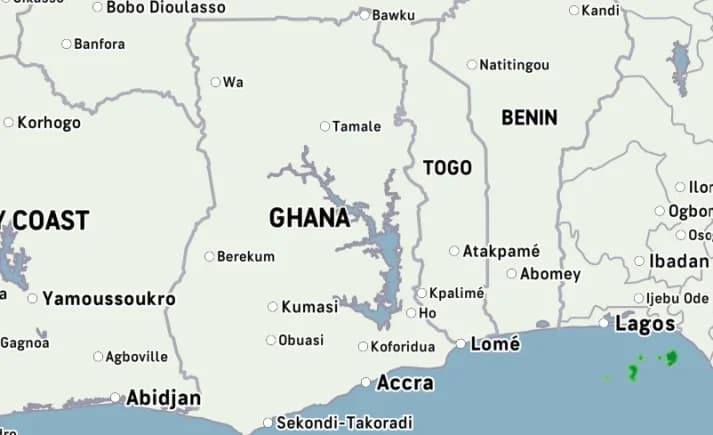
A severe rainstorm in the Yendi Municipality of the Northern Region has claimed the life of a 12-year-old girl and left dozens of families displaced, underscoring the lethal potential of the current weather pattern. The victim, identified as Asana, died when her home collapsed during the early morning storm on July 22. In addition to the fatality, several individuals sustained injuries as the storm destroyed over 40 houses, leaving victims appealing for urgent humanitarian assistance. The National Disaster Management Organisation (NADMO) and local officials have begun assessing the extent of the damage while seeking temporary housing solutions for those who have lost their belongings and shelter.
This tragic event aligns with ongoing warnings from the Ghana Meteorological Agency (GMET), which has consistently forecasted volatile conditions across the country. According to the agency, the northern and transition belt communities are particularly vulnerable to moderate to heavy thunderstorms. Forecasts indicate a 60% to 80% probability of these storms occurring, with the highest risks identified in areas such as Wa and Jirapa. In the northern sector, residents have been warned that rain and occasional thunder may occur in the morning and redevelop during the late afternoon and evening hours.
While the north faces stormy conditions, the southern and coastal regions are experiencing a different set of hazards. GMET reports that southern Ghana is frequently covered by mist and fog in the early hours, significantly reducing visibility for motorists and residents. The weather in these areas remains mostly cloudy with possibilities of light rain and drizzle. Temperatures across the country are expected to fluctuate between a minimum of 21°C and a maximum of 33°C, reflecting the diverse climatic shifts currently affecting the various regions.
In light of these conditions, the Ghana Meteorological Agency has issued a public advisory urging caution. Motorists in southern regions are advised to exercise extreme care due to reduced visibility, while residents in the northern belt are encouraged to stay informed and take precautions against potential lightning and structural collapses during thunderstorms. Furthermore, the agency has noted varying marine conditions, ranging from calm to rough seas, necessitating caution for mariners. As the government continues to assess the impact in Yendi, the meteorological data suggests that the need for robust disaster preparedness and structural integrity checks remains a national priority.
