••
NADMO Responds to Hohoe Displacement as Experts Predict El Niño Persistence through 2027
•2 min read•9 sources
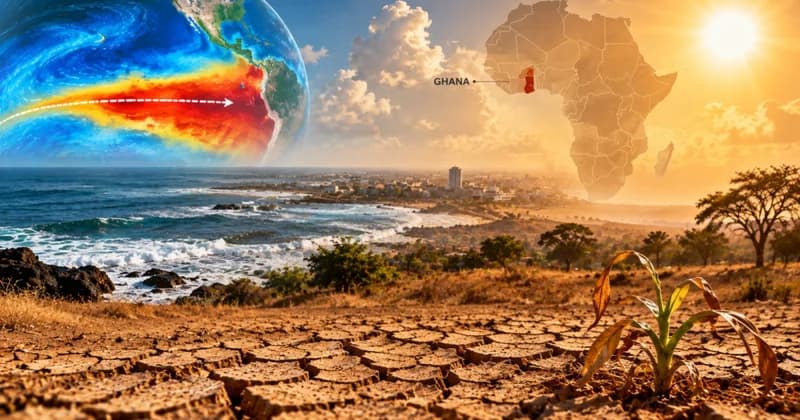
The National Disaster Management Organisation (NADMO) has announced that recent flooding in the Hohoe Municipality has displaced approximately 5,336 people across 10 communities. While public infrastructure remains largely intact, the disaster has severely impacted the local economy and living conditions, with 4,218 households affected and 400 homes damaged. Significant losses have also been recorded in the agricultural and poultry sectors. As floodwaters begin to recede, NADMO is actively distributing food and essential relief items to the victims while monitoring the situation to prevent further hardship.
This localized disaster comes amid broader climate warnings for Ghana regarding a strengthening El Niño phenomenon. Climate experts, including Dr. Jeffrey N. A. Aryee, indicate that the current El Niño cycle is firmly established in the tropical Pacific and is expected to influence global weather patterns until early 2027. For Ghana, this does not necessarily guarantee a total drought but suggests a critical period of rainfall variability. The phenomenon is likely to alter the timing and distribution of rains and increase average temperatures, which poses a direct threat to food security, water resource management, and public health.
The volatility of global weather patterns is further evidenced by recent catastrophic events in Nepal, where heavy rainfall has triggered floods and landslides, claiming at least 34 lives. Reports from Nepal’s National Disaster Risk Reduction and Management Authority indicate that 23 of these deaths were caused by landslides, with another 11 people still missing. The disaster has affected nearly 1,200 families and forced the closure of the country’s largest suspension bridge, underscoring the severe infrastructure risks posed by extreme weather events globally.
In light of these domestic and international crises, experts are urging the Ghanaian government and agricultural stakeholders to prioritize preparedness and proactive climate monitoring. To mitigate the risks of both flash floods and potential dry spells, there is a pressing need for improved agricultural advisories and the integration of localized seasonal forecasts into national strategic planning. As the El Niño cycle strengthens over the next year, authorities emphasize that early action and adaptive strategies will be essential to protect livelihoods and ensure the resilience of Ghana’s water and agricultural sectors.

