••
Dr. Ishmael Yamson and Hanna Tetteh Urge Full AfCFTA Implementation to Secure Africa’s Economic Future
•2 min read•7 sources
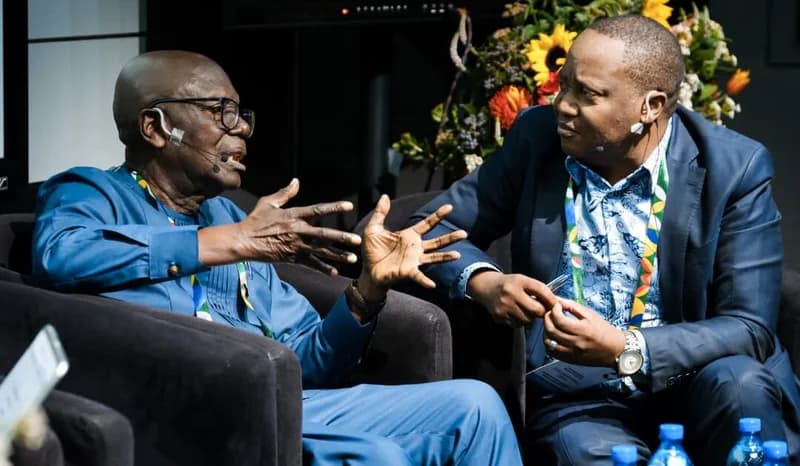
Prominent Ghanaian leaders, including MTN Ghana Board Chairman Dr. Ishmael Yamson and former Foreign Minister Hanna Serwaa Tetteh, have issued a strong call for the full implementation of the African Continental Free Trade Area (AfCFTA) as a catalyst for the continent's economic transformation. Speaking in separate forums, both figures emphasized that Africa's future prosperity depends on its ability to transcend historical divisions and act as a unified bloc. Dr. Yamson highlighted the agreement’s potential to reshape the economic landscape, while Hanna Tetteh underscored the urgency of collective action in the face of a fragmenting global order and rising geopolitical tensions. During an episode of MTN’s vodcast, 'The Y’ello Chair,' Dr. Yamson argued that the successful execution of AfCFTA is vital for unlocking the continent's vast economic potential and facilitating the free movement of capital, resources, and people. He advocated for a continental immigration framework, similar to that of the European Union, to streamline legal movement across borders. Yamson also pointed to Africa’s youthful population as a primary asset, urging a strategic partnership between governments and the private sector to foster sustainable growth and attract significant investment into larger, integrated markets. Complementing this economic perspective, Hanna Serwaa Tetteh, speaking at the 21st Kronti ne Akwamu Lecture in Accra, warned of the vulnerabilities African nations face as major global powers increasingly pivot toward bilateral engagements over multilateral cooperation. She stressed that a rules-based international system is essential for smaller economies and urged African states to present a unified front in diplomacy, trade, and security. Beyond trade, Tetteh called for reforms in the global financial architecture and a renewed focus on climate policies and governance to address the persistent conflicts and instability that hinder development. The consensus among these experts suggests that for AfCFTA to succeed, it must be more than just a policy document; it requires deep-seated commitment and practical execution by all member states. As Ghana seeks to leverage its position within the AfCFTA framework to promote national development, the broader implication is clear: the continent must integrate its markets and harmonize its policies to ensure long-term resilience. The speakers concluded that by fostering regional cooperation and reducing corruption, Africa can finally harness its collective resources to build a more stable and prosperous future for its citizens.
This story touches markets covered on Anansi Intelligence ↗.
More from africa
Continue exploring similar stories


