••
Dagbon Kingdom Mourns Ya-Na Abukari II as Ghana Prepares for 2026 Heritage Celebrations
•3 min read•18 sources
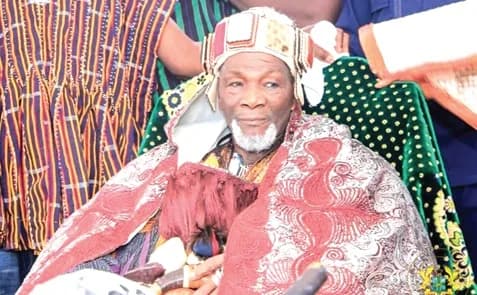
The Dagbon Kingdom is in a state of profound mourning following the death of its Overlord, Ndan Ya-Na Abukari II, who passed away on July 11, 2026, at the age of 87. The King, revered for his pivotal role in restoring peace to the region and resolving a long-standing chieftaincy dispute, was laid to rest at the Gbewaa Palace on July 13 according to Islamic and Dagbon traditions. In the wake of his passing, the Kuga Naa, Adam Abdulai II, announced the enskinning of the late King’s eldest son, Kampakuya Naa Yakubu Abukari, as the regent. The national significance of the loss has been underscored by tributes from prominent leaders, including Dr. Mahamudu Bawumia and former President Nana Akufo-Addo, who both praised the Ya-Na as a unifying figure whose reign brought dignity and stability to Northern Ghana.
To ensure a safe and orderly mourning period, the Dagbon Council of Kingmakers has imposed an immediate ban on the use of live ammunition during the funeral rites, which are set to culminate with the third-day Adua prayer on July 16, 2026. This directive follows a recent uptick in injuries from celebratory gunfire at traditional events. Additionally, the Yendi Municipal Directorate has announced the temporary closure of all schools as a mark of respect for the late Overlord. The Ministry of Local Government, Chieftaincy, and Religious Affairs, led by Minister Ahmed Ibrahim, expressed deep sorrow over the loss, highlighting the Ya-Na’s legacy in fostering reconciliation and socio-economic development, including the establishment of the Dagbon Development Fund and a firm stance against the illegal drug trade.
While the nation mourns its traditional leadership, Ghana is also preparing for major heritage milestones with the official launch of the 2026 Emancipation Day and the Guan Congress. In Assin Manso, the Ghana Tourism Authority has unveiled plans for a week-long Emancipation Day celebration from July 22 to August 1, 2026, under the theme of international reparations and the historical impacts of the transatlantic slave trade. Simultaneously, the Guan Congress 2026 was launched in Anum, Eastern Region, scheduled for August 14-16. National President Enyineh Gyadu Nkansah III and other dignitaries emphasized the importance of unifying Guan resources for inclusive development, highlighting a cultural movement that has been growing since 1981 to support sustainable growth across Guan communities.
These events reflect the ongoing importance of traditional governance and cultural heritage in shaping Ghana’ national identity and economic future. In a related development, the Kingmakers of the Ahantaman Traditional Area have issued a stern warning against the premature installation of a new Paramount Chief during the mourning period for the late Otumfuo Baidoe Bonsoe XV, citing the necessity of adhering to customary laws to maintain peace. Meanwhile, in Pusiga, District Chief Executive Abdul Rahim Haruna Aguuri has advocated for the spiritual and cultural recognition of the Naa Gbewaa Shrine, describing it as a potent historical site with the potential to boost tourism due to its proximity to the borders of Togo and Burkina Faso. Collectively, these narratives underscore a period of transition, reflection, and cultural celebration for Ghana’s traditional institutions.
This story touches markets covered on Anansi Intelligence ↗.
More from africa
Continue exploring similar stories


