••
World Bank Approves $300 Million to Help Ghana Phase Out SHS Double-Track System by 2027
•2 min read•8 sources
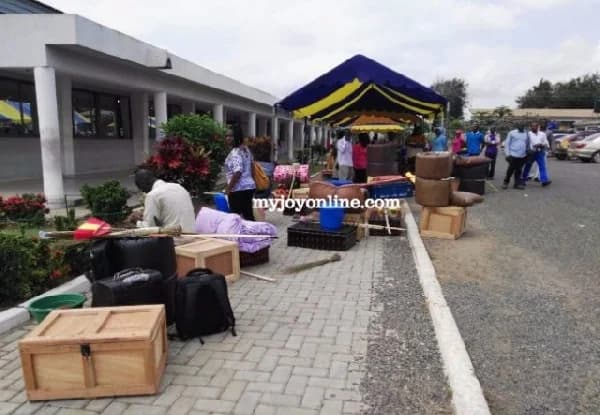
The World Bank has officially sanctioned a $300 million financing package to bolster Ghana’s secondary education system and facilitate the permanent phase-out of the double-track system in Senior High Schools (SHS) by 2027. This significant funding supports the Transformative Secondary Education for Access, Results and Relevance for Jobs (STARR-J) Project, an initiative designed to address the infrastructure and quality challenges that emerged following the implementation of the Free Senior High School policy. By targeting infrastructure deficits and enhancing the learning environment, the project aims to ensure that all students can access a full academic calendar simultaneously, moving away from the staggered attendance model currently in place in many institutions.
Central to the STARR-J Project is the comprehensive upgrading of educational facilities and the enhancement of teaching quality. Plans include the physical renovation and modernization of at least 50 selected Senior High Schools to accommodate more students and provide better learning conditions. Beyond physical infrastructure, the project emphasizes continuous professional development for educators, with a particular focus on digital literacy and pedagogical improvements. Education Minister Haruna Iddrisu highlighted that these investments are critical for developing Ghana’s human capital and ensuring that the curriculum remains relevant to the evolving demands of the global labor market.
The STARR-J initiative also focuses on equity and relevance, aiming to bridge the gap between education and employment. By aligning secondary education outcomes with the needs of various job sectors, the Ministry of Education intends to equip the youth with the practical skills required for modern competitiveness. The Minister emphasized that this project represents a vital investment in the nation’s youthful population, stating that the collaboration with the World Bank and the Ministry of Finance is a testament to the government's commitment to providing equitable, high-quality education for all Ghanaian children regardless of their socio-economic background.
As Ghana moves toward the 2027 deadline for ending the double-track system, the successful implementation of the STARR-J Project is expected to stabilize the secondary education sector. The Ministry of Education has expressed its gratitude to the World Bank and the Ministry of Finance for their support in this transition. With the integration of digital tools and expanded school capacities, the project sets a foundation for a more resilient and efficient education system that can sustain the high enrollment levels brought about by the Free SHS program while maintaining high academic standards and improving overall learning outcomes.
This story touches markets covered on Anansi Intelligence ↗.
More from education
Continue exploring similar stories


