••
World Bank Launches 'Fit to Prosper' Health Strategy Amid Growing Infrastructure and Environmental Concerns in West Africa
•3 min read•12 sources
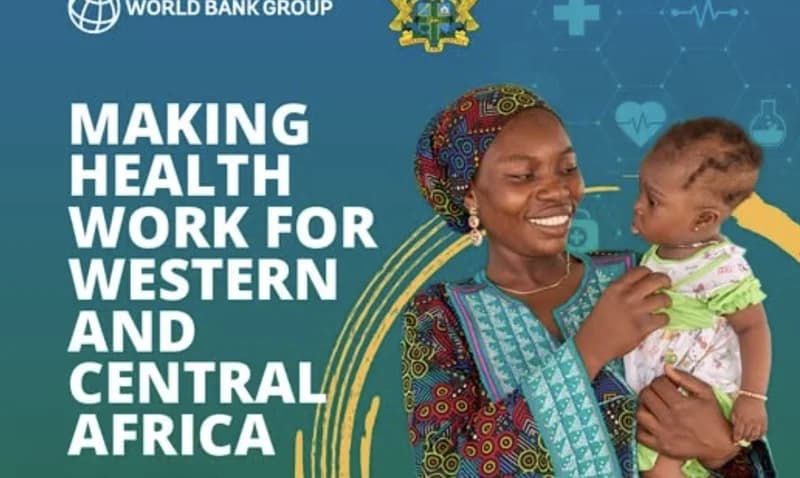
The World Bank has officially launched 'Fit to Prosper,' a comprehensive regional strategy aimed at transforming health systems across West and Central Africa. Introduced in Accra, Ghana, the initiative seeks to enhance health outcomes, foster economic productivity, and stimulate job creation despite significant regional fiscal constraints. By unifying health frameworks and promoting cross-border collaboration, the strategy addresses critical public health challenges, including high maternal and child mortality rates. Ghana’s Chief of Staff, Mr. Julius Debrah, and various regional health ministers emphasized that the strategy aligns with the Accra Reset Agenda, positioning health as a primary driver of economic transformation and a necessity for regional development.
While regional strategies take shape, domestic research has raised urgent questions regarding the immediate safety of Ghana’s healthcare infrastructure. Professor Ebenezer Amankwaa of the University of Ghana recently warned that many hospital wards exhibit carbon dioxide levels far above acceptable limits. Faulty or poorly maintained air-conditioning systems are reportedly circulating stale, contaminated air, which increases the risk of infection spread—a concern underscored by the lessons of the COVID-19 pandemic. Experts are now advocating for a return to traditional architectural principles that prioritize natural ventilation and climate resilience, arguing that modern reliance on mechanical cooling may be making facilities more fragile in the face of changing climate conditions.
Beyond clinical settings, environmental factors and industry practices continue to pose significant risks to public health and livelihoods. In Chorkor, fishmongers face smoke exposure equivalent to smoking two packs of cigarettes daily, leading to severe respiratory issues and pregnancy complications. While traditional methods remain preferred for the quality of the fish produced, experts are pushing for clean cooking technologies that respect local livelihoods. Simultaneously, authorities in the Greater Accra Region have begun demolishing unauthorized structures at the Sakumo Ramsar site to restore waterways and mitigate flood risks. These efforts to protect ecologically sensitive areas are mirrored in the aquaculture sector, where farmers are being trained in biosecurity and vaccination to combat devastating disease outbreaks affecting tilapia production.
The path forward for the region involves translating high-level frameworks into tangible community-level services and sustainable practices. In districts like Kadjebi, health officials are intensifying calls for voluntary HIV testing to meet global 2030 elimination targets through the GHS 95-95-95 policy. Ghana’s Minister of Health reaffirmed the nation’s commitment to Universal Health Coverage through its 2020-2030 Roadmap, signaling that sustainable health financing and improved primary care are the next critical steps. The success of the 'Fit to Prosper' strategy will ultimately depend on its ability to address both systemic infrastructure failures and the day-to-day environmental hazards facing West African citizens.
This story touches markets covered on Anansi Intelligence ↗.
More from africa
Continue exploring similar stories


