••
Bernard Antwi-Boasiako Pursues Plea Bargain in GH¢14.3m EXIM Bank Fraud Case Amid Political Dispute
•3 min read•27 sources
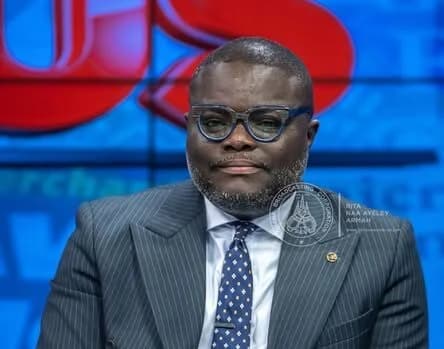
Bernard Antwi-Boasiako, the Ashanti Regional Chairman of the New Patriotic Party (NPP) popularly known as Chairman Wontumi, is currently seeking a plea bargain in a high-profile criminal case involving allegations of GH¢14.3 million in financial fraud against the Ghana Export-Import (EXIM) Bank. The Accra High Court was formally notified of the plea negotiations, which stem from charges that Wontumi and several associates used Wontumi Farms Limited to fraudulently obtain funds through deceitful practices and money laundering between 2018 and 2022. While Wontumi has maintained his innocence in public statements, the legal move to negotiate with the Attorney-General has sparked intense national debate over accountability and the application of Ghana’s plea-bargaining laws. The political fallout has been swift, with members of the National Democratic Congress (NDC) and the NPP offering starkly different interpretations of the legal strategy. Hamza Suhuyini of the NDC Communication Team argued that seeking a plea bargain is a de facto admission of guilt, suggesting that the move implies an acknowledgment of responsibility for the financial misconduct. Conversely, NPP representatives, including Manhyia South MP Nana Agyei Baffour Awuah and Sylvester Tetteh, have defended the action as a legitimate legal strategy allowed under Ghanaian law. They emphasize that the presumption of innocence remains intact and that plea negotiations are a practical tool to resolve complex cases without the protracted delays of a full trial. Legal experts and civil society leaders have weighed in on the implications for justice and state resource recovery. James Kwabena Bomfeh, CEO of the Centre for Citizenship, Constitutional and Electoral Systems (CenCES), and Dr. Nana Yaw Adutwum of the United Party have urged the Attorney-General to consider the bargain if it ensures the swift recovery of state funds for national development. However, Dr. Justice Yankson, a prominent lawyer, cautioned that any agreement must be transparent and include substantial restitution to maintain public confidence in the judicial system. Adding another layer to the discourse, Akwatia MP Bernard Bediako Baidoo has called for broader accountability, questioning whether the EXIM Bank officials who conducted due diligence on the loan applications should also face scrutiny. The case has also seen internal professional friction following the withdrawal of Andy Appiah-Kubi as Wontumi’s lead counsel. Solomon Owusu, Communications Director of the United Party, criticized the withdrawal, suggesting it could damage Appiah-Kubi’s professional reputation. For his part, Appiah-Kubi has dismissed rumors of external political pressure, specifically refuting claims that he met with Vice President Mahamudu Bawumia or his wife to discuss the case. Amidst these legal battles, IMANI Africa President Franklin Cudjoe shared insights from a recent encounter with Wontumi, describing the chairman as a strategic and reflective figure, a contrast to his often-boisterous public persona. As the Accra High Court prepares for its next hearing on July 3, 2026, the outcome of the plea negotiations remains a focal point of public interest. If accepted, the deal could lead to a significant recovery of funds and a lighter sentence for the accused; if rejected, the case will proceed to a full trial. Beyond the immediate legal consequences for Chairman Wontumi, the case serves as a litmus test for the Attorney-General's ability to balance political sensitivities with the rigorous enforcement of financial laws, potentially setting a precedent for how high-profile corruption and fraud allegations are handled in the future.
This story touches markets covered on Anansi Intelligence ↗.
Related topic
NDC (National Democratic Congress): Latest News →More from politics
Continue exploring similar stories


