••
WHO Declares Public Health Emergency as Rare Ebola Strain Spreads Across DRC and Uganda
•2 min read•7 sources
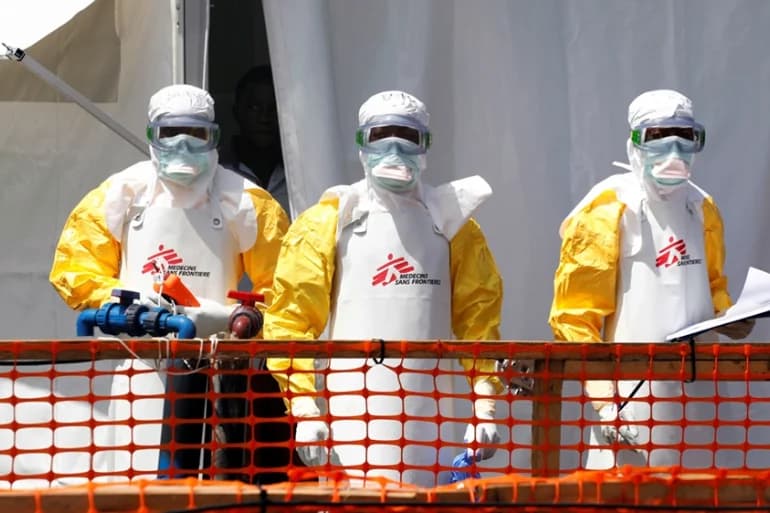
The World Health Organization (WHO) has declared the ongoing Ebola outbreak in the Democratic Republic of Congo (DRC) and Uganda a Public Health Emergency of International Concern (PHEIC). This declaration follows a surge in cases involving the rare Bundibugyo strain of the virus, which currently lacks an approved vaccine or specific treatment. The outbreak, which originated in the Mongbwalu Health Zone of Congo's Ituri Province, has claimed at least 100 lives with nearly 400 suspected cases reported. While the WHO has not yet classified the situation as a pandemic, the high mortality rate—historically between 30% and 50% for this strain—and the virus's spread to major urban centers like Kinshasa and Goma have triggered international alarm.
Containment efforts are facing significant hurdles due to the complex humanitarian landscape in the eastern DRC. Ongoing civil conflict in the region has complicated the deployment of health workers and the establishment of treatment centers, while traditional practices, such as community funerals, have been identified as high-risk events for virus transmission. Despite these challenges, health officials have begun airlifting medical supplies into Bunia and establishing specialized treatment facilities. The situation has also taken on an international dimension following reports that at least six Americans may have been exposed to the virus, prompting the U.S. Centers for Disease Control and Prevention (CDC) to issue a Level Four travel advisory for the DRC and increase monitoring for incoming travelers.
Regional neighbors are taking swift action to prevent further cross-border transmission. In Ghana, the Ministry of Health has issued a public alert and activated precautionary measures, including enhanced surveillance and mandatory screening at all major borders and airports. Although no cases have been recorded in Ghana, health officials are training frontline workers and urging the public to maintain strict hygiene protocols. The WHO emphasizes that while global risk remains low, the mobility of populations in Central Africa necessitates heightened emergency preparedness. Moving forward, the focus remains on rapid case identification and providing early supportive care to improve survival rates in the absence of a dedicated vaccine.
This story touches markets covered on Anansi Intelligence ↗.
More from africa
Continue exploring similar stories


