••
Navigating Unity and Influence: Africa Grapples with Integration, Migration, and Global Diplomacy
•3 min read•7 sources
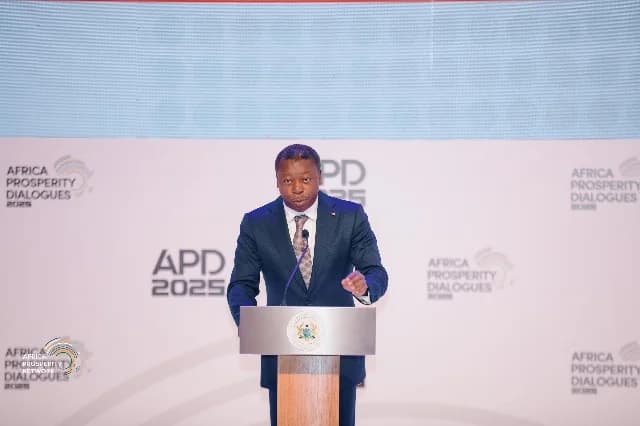
The African continent is witnessing a complex interplay between aspirations for regional integration and the harsh realities of international diplomacy and migration. In a significant move toward continental unity, Togo recently announced a 30-day visa-free policy for all African passport holders, effective May 18, 2026. This initiative, part of the "Make Africa Borderless Now" campaign, aligns Togo with nations like Rwanda and Ghana in promoting free movement. However, despite these strides, regional experts at the Africa Future Leaders Institute of Global Affairs (AFLIGA) dialogue in Accra emphasize that only 28.2% of intra-African travel routes are currently visa-free, calling for a more unified African stance to dismantle structural barriers to global influence.
While internal borders are slowly opening, African nations are simultaneously managing difficult migration challenges both from within and outside the continent. Sierra Leone recently received its first group of West African migrants deported from the United States, including citizens from Ghana, Guinea, Nigeria, and Senegal. This development, part of a broader agreement to accept up to 300 deportees annually, has faced criticism from human rights advocates who view such arrangements as exploitative. Parallel to this, the Ghanaian government has launched an emergency evacuation and reintegration program for its citizens in South Africa. In response to a rise in xenophobic attacks, Ghana is providing financial packages, transport assistance, and psychosocial support to approximately 300 returnees to help them resettle and find employment.
On the global stage, traditional power dynamics are being tested as African leaders demand more equitable partnerships. At the recent Africa Forward Summit in Nairobi, French President Emmanuel Macron pledged €23 billion in investments to foster "equal partnership" with African nations. However, the summit was marred by a cold reception and protests. Critics pointed to Macron’s perceived paternalism after he abruptly silenced young African leaders during discussions, while others raised concerns that the majority of the pledged funds would circulate through French institutions rather than directly benefiting local economies. This skepticism highlights a growing rejection of colonial-era diplomatic styles in favor of genuine agency.
These collective events underscore a continent at a crossroads, striving to balance economic integration with the protection of its citizens' dignity. Whether through the implementation of visa-free protocols, the management of sensitive deportation agreements, or the renegotiation of international investment terms, the focus is shifting toward coordinated action. As African Union Day approaches, the call for a cohesive global voice remains a priority, with the ultimate goal of ensuring that continental policies and international partnerships translate into tangible progress and security for all Africans.
This story touches markets covered on Anansi Intelligence ↗.
More from africa
Continue exploring similar stories


